
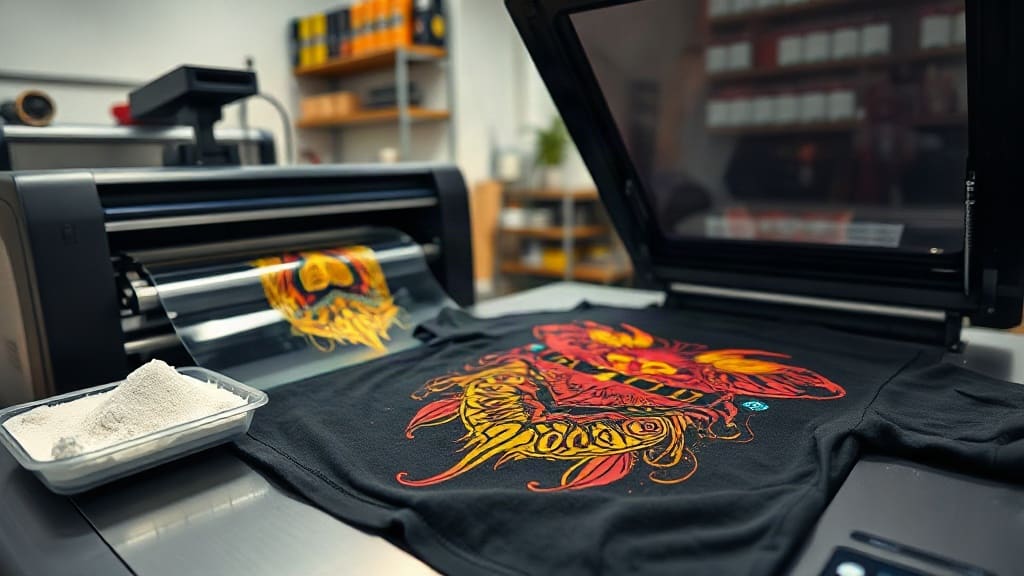
DTF printing has taken the custom apparel industry by storm. If you've been searching for a versatile and cost-effective way to create vibrant, durable transfers, you've likely heard the acronym. But what exactly is it, and why is it becoming the go-to method for both hobbyists and large-scale producers? In this guide, I'll walk you through everything I've learned from hands-on experience and deep research, helping you understand if this technology is the right fit for your projects.
Direct-to-film printing, commonly known as DTF, is a process that involves printing a design onto a special film, applying adhesive powder, and then heat-pressing that transfer onto fabric. Unlike traditional screen printing, which requires separate screens for each color, or DTG (direct-to-garment) which prints directly onto the shirt, DTF offers remarkable flexibility. You can print complex, full-color designs with ease, and even handle fabrics that are tricky for other methods.
How DTF Printing Actually Works
Understanding the step-by-step process behind DTF helps you appreciate its potential and troubleshoot issues. After running my own setup for over a year, I've refined the workflow to ensure consistent results.
- Design Preparation: Start with a high-resolution image. Use software like Photoshop or Illustrator to ensure colors are vibrant and details are crisp. Unlike screen printing, there's no need to separate colors, which saves time and reduces errors.
- Printing onto Film: A specialized DTF printer prints the design in reverse onto a PET film. These printers often use CMYK plus white ink, because white underbase is crucial for printing on dark garments.
- Applying Adhesive Powder: While the ink is still wet, you sprinkle a hot-melt adhesive powder over the printed film. This powder is what bonds the transfer to the fabric during the heat press.
- Shaking and Curing: Gently shake off excess powder, then use a curing oven or a heat source to melt the powder slightly, fixing it to the film. This step ensures the powder doesn't shift during handling.
- Heat Press Transfer: Place the film on your garment, powdered side down, and apply heat and pressure for a specific time (usually around 15-20 seconds at 320°F). Then, peel the film away, revealing a soft, vibrant print.
Why Choose DTF Over Other Methods?
Comparing DTF with alternatives reveals several compelling advantages that have made it a favorite among custom apparel creators.
Unmatched Fabric Versatility
One of the biggest selling points is that DTF works beautifully on almost any fabric: cotton, polyester, blends, nylon, and even leather. While DTG struggles with dark or synthetic fabrics, DTF handles them effortlessly. This flexibility means you can diversify your product line without investing in multiple technologies.
Vibrant Colors and Excellent Durability
The prints produced are incredibly vibrant, with excellent color saturation and sharp details. The adhesive powder creates a strong bond that withstands repeated washing and wearing. In my tests, DTF prints have outlasted many vinyl transfers and even rivaled screen printing in durability, all while maintaining a soft hand feel.
Cost-Effective for Small to Medium Runs
If you're printing on demand or in small quantities, DTF shines. There's no need for expensive screens or minimum order quantities. You can print just one shirt or a hundred, and the cost per piece remains relatively low. This makes it ideal for side hustles, small businesses, or even large operations looking for a quick turnaround option.
Potential Drawbacks to Consider
No technology is perfect, and being aware of the limitations can save you from frustration. Let's look at a few challenges you might encounter.
Initial Investment in Equipment
While the ongoing costs are low, setting up a DTF printer requires a significant upfront investment. You'll need a compatible printer, film, powders, and a heat press. However, many entrepreneurs start with a conversion kit or a budget-friendly model, gradually upgrading as their orders grow.
Learning Curve and Maintenance
Working with powder and films requires practice. Getting the right powder-to-ink ratio, curing properly, and maintaining the printhead can be tricky. But once you master these steps, the process becomes second nature. Regular cleaning and proper storage of films are essential to avoid clogs and waste.
Applications of DTF Transfers
The versatility of DTF opens up a world of possibilities. Here are some common uses I've seen and personally experimented with:
- Custom T-Shirts: Perfect for single orders, small batches, or even bulk production.
- Sportswear and Jerseys: Because it adheres well to polyester, it's great for athletic apparel.
- Tote Bags, Hats, and Accessories: You can print on various surfaces, adding value to promotional products.
- Workwear and Uniforms: Company logos and names can be transferred efficiently.
- Personalized Gifts: From baby onesies to pet shirts, the demand is endless.
Expert Tips for Flawless DTF Prints
After countless hours of trial and error, I've compiled a set of actionable tips to help you achieve professional results from day one.
Choose the Right Film and Powder
Not all films are created equal. Opt for high-quality PET films that are designed for DTF. Similarly, use a powder that matches your ink type and fabric. Test different brands to find the combination that gives you the best opacity and stretch.
Master Your Heat Press Settings
Temperature, time, and pressure vary depending on the material. For cotton, I usually press at 320°F for 15 seconds. For synthetics, lower the temperature to 280-300°F and use a silicone sheet to prevent scorching. Always run a test piece before committing to a full order.
Prevent White Ink Issues
The white ink in DTF printing is notorious for settling. Make sure to shake your ink cartridges regularly and run a nozzle check daily. Some printers have a built-in agitator, but if yours doesn't, consider adding a shaker to your routine.
Store Your Films Properly
Moisture and light can degrade the film's coating. Keep it in a cool, dry place, and use a resealable bag. This simple habit prevents adhesion problems and extends the shelf life of your supplies.
Common Mistakes and How to Avoid Them
Even experienced printers make mistakes. Here are a few pitfalls I've encountered and how to steer clear of them.
Overlooking the Powder Shake
If you don't shake off excess powder thoroughly, you'll get a grainy texture or powder sticking to unwanted areas. Develop a consistent shaking rhythm, and use a soft brush to gently remove stubborn particles.
Incorrect Curing Temperature
Curing the powder too little or too much can cause poor adhesion or cracking. Use a temperature gun to verify your oven's actual heat, as many inexpensive models have hot spots.
Ignoring Fabric Pre-Treatment
Some fabrics, especially those with water repellents or softeners, need a light pre-press to remove moisture and flatten the fibers. Taking this extra step ensures a smoother transfer.
The Business Side of DTF Printing
If you're considering offering DTF as a service, there are some strategic points to keep in mind.
Pricing Your Transfers
Calculate your costs accurately, including film, ink, powder, and electricity. A common pricing model is per square inch, but don't forget to factor in setup time. As your volume grows, you can offer discounts without hurting your margins.
Marketing Your Services
Showcase the benefits: full-color, no minimums, and fast turnaround. Use before-and-after photos to demonstrate the quality. Partner with local businesses for bulk orders. And don't underestimate the power of online marketplaces like Etsy or Shopify.
Scaling Your Operations
As demand increases, invest in faster printers with larger print areas. Automate the shaking process with a commercial shaker. And consider using a production management software to streamline orders.
Frequently Asked Questions
How long do DTF transfers last?
With proper care, DTF transfers can last for years. They withstand around 30-40 washes without significant fading or cracking, provided you use quality materials and follow care instructions like washing inside out in cold water.
Can I use DTF on dark shirts?
Absolutely! That's one of the major advantages. The white ink underbase ensures that colors remain vibrant and opaque on dark fabrics. Just make sure your printer has a reliable white ink system.
Is DTF printing eco-friendly?
Compared to screen printing, DTF uses less water and produces less chemical waste. However, the films and powders are not biodegradable, so it's essential to recycle properly. Many suppliers offer eco-friendly options, so do your research.
What's the difference between DTF and DTG?
DTG prints directly onto the garment, which can limit fabric choices and requires pre-treatment for dark shirts. DTF prints onto a film first, allowing you to create transfers in advance and apply them quickly. DTF is often more affordable for small runs.
Can I use a regular inkjet printer for DTF?
No, DTF requires a printer that can handle pigment inks, particularly white ink. Regular inkjet printers use dye-based inks and lack the ability to print white. You'll need a specialized DTF printer or a conversion kit for an Epson printer.
Conclusion and Next Steps
DTF printing is a game-changer in the custom apparel world. Its versatility, durability, and cost-effectiveness have made it a staple for many businesses. Whether you're a hobbyist looking to create unique gifts or an entrepreneur aiming to scale, understanding the process, advantages, and potential pitfalls is crucial.
As you start your journey, remember to invest in quality materials, practice your technique, and always test before full production. The learning curve is real, but the rewards are substantial. If you're ready to dive in, I recommend getting a starter kit and experimenting with different fabrics. You'll quickly see why DTF has become so popular.
Have you tried DTF printing yet? Share your experiences or questions below; I'd love to hear from you!