
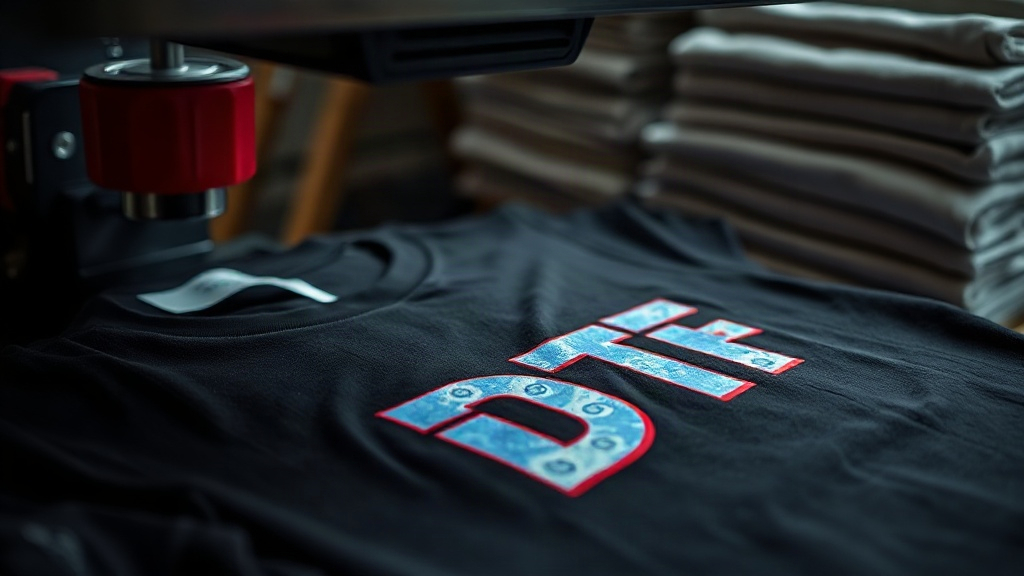
When you're printing custom apparel, the combination of DTF transfers with high-quality blanks like Shaka Wear and Smart Blanks can elevate your business. But not all blanks are created equal, and DTF (Direct to Film) transfers have specific requirements for best results. In this guide, you'll learn how to choose the right blanks, apply transfers correctly, and ensure your prints survive wash after wash.
Why DTF Transfers Are a Game-Changer for Custom Apparel
DTF transfers have revolutionized the custom apparel industry. Unlike screen printing or DTG, DTF allows you to print full-color designs on a wide range of fabrics without minimums. The process involves printing your design onto a special film, coating it with adhesive powder, and then heat-pressing it onto the garment. The result is a soft, stretchable print that adheres well to cotton, polyester, and blends.
For small businesses and hobbyists, DTF offers flexibility. You can produce one-off items or small batches without the setup costs of screen printing. Plus, the color vibrancy and detail are impressive, making it ideal for complex artwork.
Choosing the Right Blanks: Shaka Wear vs. Smart Blanks
Not all blanks are suitable for DTF. The fabric composition, weave, and finish affect how well the transfer adheres and how long it lasts. Two popular options are Shaka Wear and Smart Blanks. Let's compare them.
Shaka Wear: Streetwear Favorite
Shaka Wear is known for its heavyweight cotton tees, often 100% cotton with a tight knit. This makes them a great canvas for DTF transfers because the smooth surface allows the adhesive to bond well. The thickness of the fabric also helps prevent the print from feeling stiff. However, some Shaka Wear styles have a slight enzyme wash or silicone finish, which can interfere with adhesion. Always test a sample first.
Smart Blanks: Affordable and Consistent
Smart Blanks are a budget-friendly option that many printers rely on. They offer a consistent product line, often made from cotton or cotton-poly blends. The key advantage is their predictability: if you find a style that works with DTF, you can reorder with confidence. However, some Smart Blanks have a lower thread count, which might require a bit more pressure during pressing to ensure the transfer penetrates the fibers.
How to Apply DTF Transfers to Shaka Wear and Smart Blanks
Applying DTF transfers requires attention to temperature, pressure, and time. Here's a step-by-step guide tailored to these blanks.
Pre-Press the Garment
Before applying the transfer, pre-press the shirt for 5-10 seconds to remove moisture and wrinkles. This step is crucial for Shaka Wear because their heavy cotton can hold moisture, which can cause the transfer to peel. For Smart Blanks, pre-pressing also helps flatten any inconsistencies in the fabric.
Set Your Heat Press
For DTF transfers on these blanks, a temperature of 325°F (160°C) is a good starting point. Pressure should be medium to firm, around 5-6 on a scale of 10. Time: 15-20 seconds. However, these settings can vary based on your press and the transfer film. Always follow the transfer supplier's recommendations and adjust as needed.
Peel and Post-Press
After pressing, allow the transfer to cool completely before peeling the film. This is often called a "cold peel." Then, cover the print with a Teflon sheet or parchment paper and press again for 5-10 seconds to smooth the print and improve wash durability. This step is especially important for Smart Blanks as it helps the adhesive fully cure.
Common Issues and How to Fix Them
Even with the best blanks, you might run into problems. Here are some common issues and solutions.
- Print peeling after wash: This often means insufficient pressure or time. Increase pressure and ensure you post-press.
- Print cracking: Cracking can occur if the transfer is stretched too much during application or if the garment is washed in hot water. Always wash inside out in cold water.
- Adhesive residue on the film: If you see adhesive left on the film after peeling, the transfer wasn't pressed long enough. Increase time by 5 seconds.
Washing and Care Instructions for DTF-Printed Apparel
To ensure your DTF prints last, advise your customers to:
- Wait 24 hours before first wash.
- Turn the garment inside out.
- Machine wash cold with mild detergent.
- Avoid bleach and fabric softeners.
- Tumble dry low or hang dry.
- Do not iron directly on the print.
These care instructions apply to both Shaka Wear and Smart Blanks, though heavier fabrics like Shaka Wear may withstand more abuse.
Maximizing Durability: Pro Tips
Want to push the limits? Here are some advanced tips:
- Use a heat press with accurate temperature control. Fluctuations can ruin transfers.
- For Shaka Wear, consider a slightly higher pressure to ensure the adhesive penetrates the dense cotton.
- For Smart Blanks, a pre-treatment like a quick iron can help remove sizing.
- Always test new batches of blanks and transfers. Fabric finishes can change.
Frequently Asked Questions
Can I use DTF transfers on 100% polyester Shaka Wear?
Yes, but you need to adjust temperature. Polyester can scorch at high heat, so lower the temperature to 300°F (150°C) and press for 10-15 seconds. Also, use a low peel to avoid stretching the fabric.
Do Smart Blanks require special preparation for DTF?
Smart Blanks are generally ready to press, but pre-pressing is recommended to remove any moisture or wrinkles. If the fabric has a silicone finish, it may need a light sanding or a special primer, but most Smart Blanks styles work well without extra steps.
How long do DTF prints last on Shaka Wear?
With proper application and care, DTF prints on Shaka Wear can last 50+ washes. The heavyweight cotton provides a durable base, but the key is following the correct pressing parameters and washing instructions.
What's the best DTF transfer film for these blanks?
Look for a film that matches your printer and offers a soft hand. Brands like DTF Station or Supacolor are popular, but always test with your specific blanks. The film's adhesive should be compatible with the fabric's finish.
Can I stretch DTF prints on Smart Blanks?
DTF prints have some stretch, but they are not infinitely elastic. If you stretch the print beyond its limit, it may crack. For areas that stretch a lot, like shoulders, consider a design with less coverage or use a transfer with a higher stretchability rating.
By combining high-quality blanks with proper DTF techniques, you can create custom apparel that looks professional and stands the test of time. Whether you choose Shaka Wear for its streetwear appeal or Smart Blanks for affordability, the key is in the details. Happy pressing!