
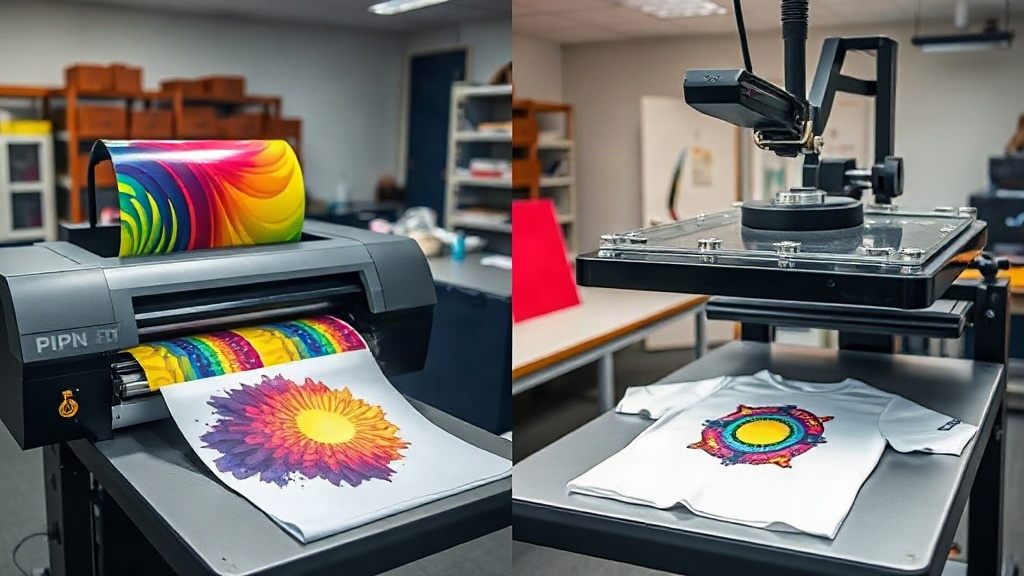
When you're launching a new apparel line or expanding your custom printing services, the decoration method you choose can make or break your margins. Two popular options are DTF transfers and screen printing. Each has its strengths and weaknesses, and the right choice depends on your order sizes, design complexity, fabric types, and budget. In this guide, we'll compare these methods in detail so you can make an informed decision for your business.
What Are DTF Transfers?
DTF stands for Direct to Film. The process involves printing your design onto a special film using a DTF printer, applying a powder adhesive, and then heat-pressing the transfer onto the garment. This method has gained massive popularity because it works on almost any fabric, including cotton, polyester, blends, and even nylon. Unlike screen printing, DTF doesn't require separate screens for each color, making it ideal for full-color, intricate designs.
One of the biggest advantages of DTF transfers is the ability to produce small batches economically. If you're a small brand or a custom printer, you can print one-off designs without the setup costs associated with screen printing. The prints are durable, stretchable, and have a soft feel when applied correctly.
Key Benefits of DTF Transfers
- No color limitations; can print photorealistic images and gradients.
- Works on a wide range of fabrics, including dark and light colors.
- Low minimum order quantity; perfect for samples and small runs.
- Fast turnaround; no screen setup or cleanup.
- Durable and stretchable, ideal for activewear.
What Is Screen Printing?
Screen printing, also known as silkscreen printing, is a traditional method where ink is pushed through a mesh screen onto the fabric. Each color in the design requires a separate screen, which is why screen printing becomes more cost-effective as order sizes increase. The inks are thick and opaque, giving a bold, long-lasting print that can withstand heavy wear.
Screen printing is the go-to method for large orders like team uniforms, event merchandise, and retail clothing. However, it has limitations: it's not ideal for complex designs with many colors, and it doesn't work well on dark garments without a white underbase. Also, the setup costs make small runs expensive.
Key Benefits of Screen Printing
- Cost-effective for large orders (100+ pieces).
- Very durable; prints can last for years.
- Vibrant, opaque colors, especially on light fabrics.
- Wide range of specialty inks (metallic, puff, glow-in-the-dark).
Comparing DTF Transfers and Screen Printing
Cost
For small orders (1-50 pieces), DTF transfers are usually more affordable because there are no setup fees. Screen printing requires creating screens, which can cost $20-$50 per color. So if you're printing 10 shirts with a 4-color design, DTF is far cheaper. For large orders (500+ pieces), screen printing becomes more economical on a per-unit basis. However, DTF transfer prices have dropped significantly, making them competitive even for medium runs.
Design Complexity
DTF excels with complex, multi-color designs because it doesn't require separate screens. You can print gradients, photographs, and fine details with ease. Screen printing, on the other hand, is limited by the number of screens you're willing to pay for. Simple designs with 1-3 colors are best for screen printing.
Fabric Compatibility
DTF transfers can be applied to almost any fabric, including cotton, polyester, blends, and even leather. Screen printing works best on cotton and cotton blends; it can be tricky on polyester because the ink may not adhere well without special additives. For performance wear and synthetic fabrics, DTF is often the better choice.
Durability and Feel
Both methods produce durable prints when done correctly. Screen printing creates a thicker ink layer that sits on top of the fabric, which can be felt. DTF transfers have a softer hand feel, especially after washing. However, DTF prints can crack if stretched excessively, while screen prints may fade over time. Proper care extends the life of both.
Workflow and Equipment
Screen printing requires a press, screens, emulsion, and a washout booth. It's a multi-step process that takes time to master. DTF printing requires a DTF printer, film, powder, and a heat press. The workflow is simpler: print, powder, cure, press. For those new to garment decoration, DTF has a lower learning curve.
When to Choose DTF Transfers
If you're a small business, a startup brand, or someone who offers custom designs on demand, DTF transfers are likely your best bet. They allow you to offer a wide range of products without inventory risk. You can print on demand, which is perfect for e-commerce and personalized gifts. Additionally, if your designs are complex or you work with various fabric types, DTF gives you the flexibility you need.
When to Choose Screen Printing
For large bulk orders with simple designs, screen printing is hard to beat. If you're printing 500 shirts for a school event or a corporate client, screen printing will give you the lowest per-unit cost. It's also the preferred method for achieving certain special effects like metallic or puff prints. If you have a established production line and consistent large orders, screen printing can be very profitable.
Hybrid Approach: Using Both Methods
Many successful print shops use both DTF and screen printing. They might use DTF for samples, small orders, and complex designs, and screen printing for large runs. This hybrid approach maximizes flexibility and profitability. You can also use DTF transfers to add names and numbers to screen-printed jerseys, combining the best of both worlds.
Choosing the Right Blanks for Your Prints
The quality of your blank garment is just as important as the printing method. For DTF transfers, you'll want blanks that can withstand the heat press without scorching. Brands like Shaka Wear offer heavyweight cotton tees that are popular for their durability and fit. Similarly, Smart Blanks provides a range of affordable, high-quality blanks suitable for both DTF and screen printing. When selecting blanks, consider fabric content, weight, and color. 100% cotton is ideal for screen printing, while poly-blends work well with DTF. Always test your transfers on a sample garment before full production.
Step-by-Step: Applying DTF Transfers
- Preheat your heat press to the recommended temperature (usually 300-325°F).
- Place the garment on the press and pre-press for 5-10 seconds to remove moisture.
- Position the DTF transfer with the design facing up.
- Press with medium pressure for 10-15 seconds.
- Remove the garment and peel the film while hot or cold, depending on the film type.
- Post-press for another 5-10 seconds for added durability.
Always follow the specific instructions provided by your transfer supplier, as times and temperatures can vary.
Common Mistakes to Avoid
- Using too much pressure, which can cause the design to spread.
- Not pre-pressing, leading to moisture trapped under the transfer.
- Pressing at the wrong temperature, resulting in poor adhesion.
- Peeling too quickly or at the wrong temperature.
- Using fabric softener before printing, which can affect adhesion.
Frequently Asked Questions
Can DTF transfers be used on dark garments?
Yes, DTF transfers work great on dark garments because the white ink layer is printed underneath the colors, making them opaque and vibrant. This is a major advantage over other methods like sublimation.
How long do DTF transfers last?
With proper application and care, DTF transfers can last as long as the garment. Wash inside out in cold water and avoid ironing directly on the print. Following these guidelines, you can expect the print to last for years.
Is DTF printing cheaper than screen printing for small orders?
Absolutely. For orders under 50 pieces, DTF is typically more cost-effective because there are no screen setup fees. Screen printing becomes cheaper only when you reach larger quantities.
What fabrics work best with DTF transfers?
DTF transfers adhere well to cotton, polyester, blends, and even some nylons. They are especially popular for polyester performance wear because the transfer stretches with the fabric.
Can I use DTF transfers on Shaka Wear or Smart Blanks?
Yes, both Shaka Wear and Smart Blanks garments are compatible with DTF transfers. Just ensure you follow the heat press settings recommended for the specific fabric blend. Many printers prefer these brands for their consistent quality.
Final Thoughts
Deciding between DTF transfers and screen printing doesn't have to be overwhelming. Consider your order size, design complexity, fabric types, and budget. For small, detailed, and multi-fabric projects, DTF is a clear winner. For large, simple, and cost-sensitive orders, screen printing remains king. Many businesses thrive by offering both. Whichever you choose, quality blanks and proper technique are key. At dtfstyler.com, we provide top-notch DTF transfers and supplies to help you succeed. Explore our range and elevate your printing game today.