
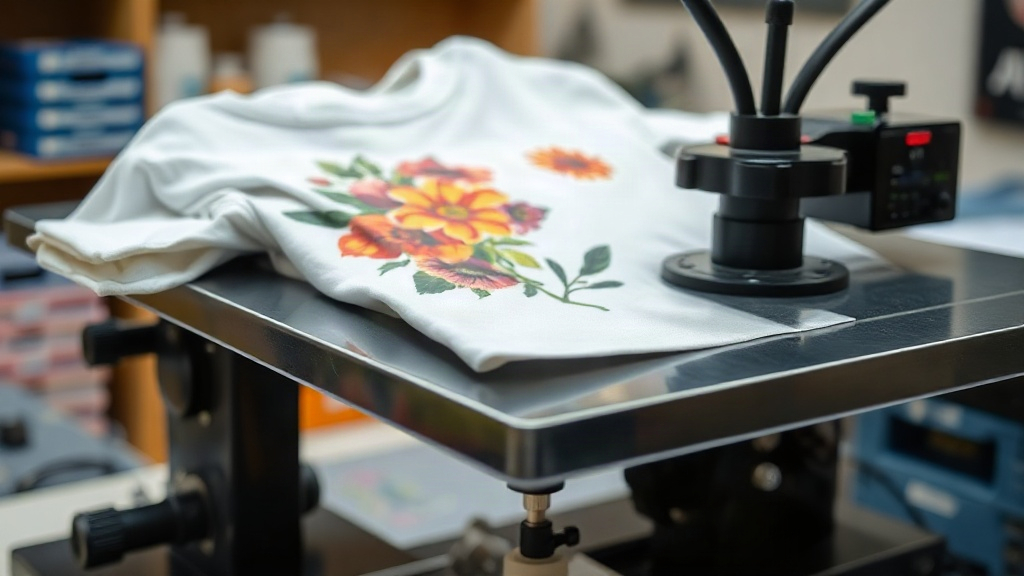
If you've been exploring custom apparel printing, you've likely encountered DTF Transfers. This innovative technology is rapidly gaining popularity for its versatility and vibrant results. Unlike traditional methods, DTF transfers allow you to print full-color designs on a wide range of fabrics without the need for weeding or specialized equipment. In this guide, we'll walk you through everything you need to know to get started with DTF transfers, from understanding the process to applying them like a pro.
What Are DTF Transfers?
DTF stands for Direct to Film. It's a printing method where your design is printed onto a special PET film using water-based inks, then coated with a hot-melt adhesive powder. The film is then cured and can be stored until you're ready to apply it. When you're ready, you simply heat press the transfer onto your fabric. The adhesive melts, bonding the ink to the material, and after peeling the film, your design remains. This process works on cotton, polyester, blends, and even some treated synthetics, making it incredibly versatile.
Why Choose DTF Transfers?
There are several compelling reasons to consider DTF transfers for your next project:
- No Weeding Required: Unlike vinyl, DTF transfers don't require tedious weeding, saving you time and effort.
- Full-Color Prints: You can print complex, multi-color designs with gradients and fine details without worrying about color separation.
- Fabric Versatility: DTF works on cotton, polyester, blends, and more. It's great for both light and dark garments.
- Durability: When applied correctly, DTF prints are stretchable and withstand repeated washing without cracking or fading.
- Cost-Effective for Small Runs: No minimum order quantities, making it ideal for one-off custom items.
How to Apply DTF Transfers: Step-by-Step
Applying a DTF transfer is straightforward, but following the right steps ensures a professional, long-lasting result. Here's what you need:
- A heat press (or an iron with no steam)
- Your DTF transfer
- The garment or fabric
- Heat-resistant tape (optional)
- Parchment paper or a Teflon sheet
Step 1: Prepare Your Workspace
Set up your heat press on a sturdy, heat-resistant surface. Preheat the press to the temperature recommended by your transfer supplier. Typically, this is around 300-325°F (150-160°C). If you're using an iron, set it to the highest temperature with no steam.
Step 2: Position the Transfer
Place your garment on the press. If needed, pre-press for a few seconds to remove wrinkles and moisture. Then, position the DTF transfer with the printed side facing up (the design should be visible). If your transfer has a white backing, that's the side that goes against the fabric. Use heat-resistant tape to secure it if it tends to shift.
Step 3: Press
Cover the transfer with parchment paper or a Teflon sheet. Apply medium to firm pressure and press for 10-15 seconds. The exact time can vary, so always check your transfer's instructions.
Step 4: Peel
After pressing, allow the transfer to cool completely before peeling. This is a "cold peel" process. Gently peel the film away from the fabric. If any part of the design lifts, press again for a few seconds.
Step 5: Post-Press (Optional)
For extra durability, you can cover the design with parchment paper and press again for 5-10 seconds. This helps the adhesive fully set.
Common Mistakes to Avoid
Even with a simple process, errors can happen. Here are pitfalls to watch for:
- Not pre-pressing: Moisture in the fabric can cause the transfer to fail. Always pre-press for 3-5 seconds.
- Incorrect temperature: Too low, and the adhesive won't activate; too high, and you might scorch the fabric or the film.
- Peeling too soon: DTF transfers require a cold peel. Peeling while hot can distort the design.
- Insufficient pressure: Without enough pressure, the design won't bond properly.
- Using the wrong side: The printed side must face up; the adhesive side goes against the fabric.
DTF vs. Other Printing Methods
How does DTF stack up against DTG, screen printing, and vinyl? DTF offers a unique blend of versatility and cost-effectiveness. Unlike DTG, which requires pre-treatment and works best on 100% cotton, DTF adheres to many materials. Screen printing is more economical for large orders but requires setup and is limited in color complexity. Vinyl is great for simple designs but can't handle intricate details. DTF shines for small to medium runs with complex, full-color designs on diverse fabrics.
Tips for Best Results
- Test on a scrap: Always test your settings on a similar fabric before pressing your final garment.
- Store transfers properly: Keep unused transfers in a cool, dry place away from direct sunlight.
- Wash inside out: To extend the life of your print, wash garments inside out in cold water and tumble dry low.
- Use quality transfers: Purchase from reputable suppliers to ensure consistent results.
Frequently Asked Questions
Can I use DTF transfers on 100% polyester?
Yes, DTF transfers work well on polyester. However, polyester is heat-sensitive, so you should lower the temperature to around 280-300°F (140-150°C) to avoid scorching or dye migration. Always test first.
How durable are DTF transfers after washing?
When applied correctly, DTF transfers can last 50+ washes without cracking or fading. Following proper washing instructions (inside out, cold water, low heat) will maximize longevity.
Do I need a special printer for DTF transfers?
Yes, DTF printing requires a specialized printer that uses DTF inks and a shaker machine for applying adhesive powder. However, you can purchase ready-made DTF transfers from suppliers without investing in equipment.
What is the difference between DTF and DTG?
DTG (Direct to Garment) prints directly onto the fabric, while DTF prints onto a film that is then transferred. DTF works on more fabric types and doesn't require pre-treatment, but DTG can be more cost-effective for 100% cotton and large orders.
Can I stretch DTF transfers?
Yes, DTF transfers are stretchable, making them ideal for athletic wear and stretchy fabrics. The print will move with the fabric without cracking.
Final Thoughts
DTF Transfers are a game-changer for custom apparel, offering unmatched versatility and vibrant results. With the right technique and a bit of practice, you can achieve professional-quality prints at home or in your shop. Whether you're a hobbyist or a business owner, adding DTF to your toolkit opens up a world of possibilities. So why not give it a try? Your next custom creation awaits.