
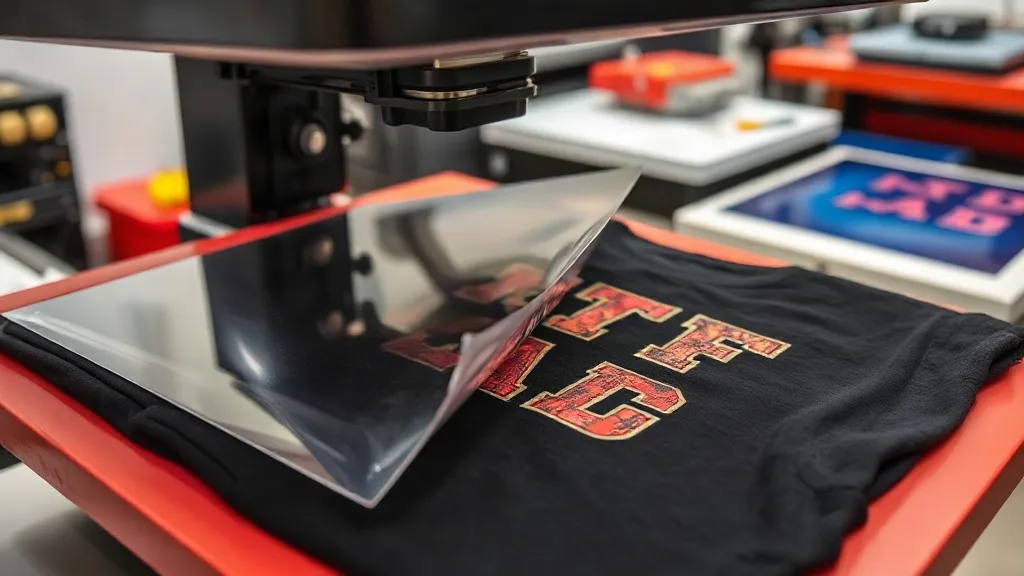
If you've ever admired a vibrant, detailed design on a T-shirt and wondered how it was made, there's a good chance it was created using dtf transfers. Direct-to-film printing has revolutionized the garment decoration industry, offering unparalleled color vibrancy and detail on a wide range of fabrics. But for beginners, the process can seem daunting. This guide will walk you through everything you need to know to achieve flawless results with DTF transfers, from understanding the technology to applying and caring for your prints.
What Are DTF Transfers?
DTF stands for Direct-to-Film. It's a printing method where your design is printed onto a special film, then coated with a powder adhesive, and finally heat-pressed onto the fabric. Unlike DTG (Direct-to-Garment) printing, dtf transfers don't require pre-treatment of the garment, and they work on almost any fabric, including cotton, polyester, blends, and even nylon. This versatility makes DTF a favorite among small print shops and hobbyists alike.
Why Choose DTF Transfers?
There are several reasons why DTF transfers have become so popular:
- Vibrant colors: DTF prints produce bright, saturated colors that pop.
- Fine details: The technology captures intricate designs with high precision.
- Fabric versatility: Works on cotton, polyester, blends, and more.
- Durability: When applied correctly, DTF prints withstand repeated washing.
- No pre-treatment: Saves time and reduces equipment costs.
Choosing the Right DTF Transfers
When it comes to buying DTF transfers, quality matters. Look for transfers that use high-quality inks and films. If you're searching for dtf transfers near me, you might find local suppliers, but online retailers like Harwin DTF offer a wide selection and fast shipping. Consider the following:
- Film type: Cold-peel or hot-peel films have different application methods. Cold-peel is more common and easier for beginners.
- Ink quality: Ensure the inks are vibrant and wash-resistant.
- Adhesive powder: The powder should be fine and evenly applied to prevent clumping.
Essential Equipment for Applying DTF Transfers
Before you start, gather the necessary tools:
- Heat press: A reliable heat press is crucial. You'll need consistent temperature and pressure.
- Heat-resistant tape: To hold the transfer in place during pressing.
- Teflon sheet or parchment paper: To protect your heat press and the transfer.
- Lint roller: To remove lint and dust from the fabric before pressing.
- Weighing scale (optional): For precise powder application if you're making your own transfers.
Step-by-Step Guide to Applying DTF Transfers
Follow these steps for a flawless application:
- Preheat your heat press: Set the temperature to around 150-160°C (300-320°F). Allow it to stabilize.
- Prepare the garment: Place the garment on the press and pre-press for 5-10 seconds to remove moisture and wrinkles. Use a lint roller to remove any debris.
- Position the transfer: Place the DTF transfer on the garment with the printed side facing up (the film side should be on top). Secure it with heat-resistant tape if needed.
- Press: Cover with a Teflon sheet or parchment paper. Press with medium pressure for 10-15 seconds.
- Peel: For cold-peel transfers, remove the film after it has cooled completely. For hot-peel, peel immediately while hot. Check your transfer's instructions.
- Post-press (optional): For added durability, press again for 5 seconds with a Teflon sheet.
Common Mistakes to Avoid
Even with the best equipment, beginners often make mistakes. Here are some to watch out for:
- Insufficient pressure: Without enough pressure, the transfer won't adhere properly. Adjust your press.
- Wrong temperature: Too hot and the film may melt or the ink may scorch; too cold and the adhesive won't activate.
- Peeling too early or too late: Follow the transfer's instructions for hot vs. cold peel.
- Not pre-pressing: Moisture and wrinkles can ruin the finish.
- Using too much powder: If making your own transfers, excess powder leads to a stiff, crusty feel.
Caring for Your DTF Prints
To ensure your DTF prints last, follow these care tips:
- Wait 24 hours before washing.
- Turn the garment inside out.
- Machine wash cold with mild detergent.
- Avoid bleach and fabric softeners.
- Tumble dry low or hang dry.
- Do not iron directly on the print.
Frequently Asked Questions
Can I use DTF transfers on dark fabrics?
Yes, DTF transfers work beautifully on dark fabrics. The white ink layer in the transfer ensures the colors remain vibrant.
How long do DTF transfers last?
With proper application and care, DTF transfers can last as long as the garment itself, often 50+ washes.
Do I need a special printer for DTF transfers?
You can buy pre-printed transfers or invest in a DTF printer. For beginners, buying transfers is more cost-effective.
Can I stretch DTF prints?
DTF prints have some stretchability, but excessive stretching may cause cracking. Choose designs with adequate coverage.
What fabrics are not suitable for DTF?
DTF adheres well to most fabrics, but avoid materials with heavy coatings or waterproof finishes, as the adhesive may not bond.
With this guide, you're well on your way to creating stunning, durable prints with DTF transfers. Remember to practice and experiment with different settings to find what works best for your setup. Happy printing!