
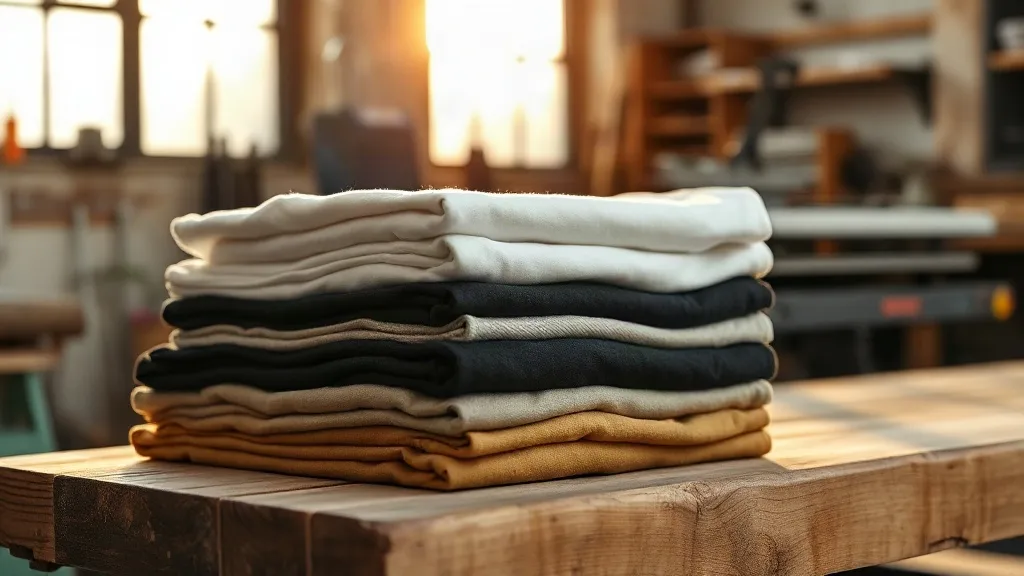
The first time I unboxed a shaka wear tee, the weight of it caught me off guard. It landed on the table with a dull thud rather than the whispery rustle of a standard blank, and that small detail told me most of what I needed to know about the brand. Streetwear buyers have spent the last decade hunting for blanks that feel substantial without feeling stiff, and Shaka Wear has quietly become one of the names that keeps coming up in that conversation. Below is what actually matters if you are buying, printing or reselling these garments, written from the perspective of someone who has pressed more than a few of them.
What Sets Shaka Wear Apart From Ordinary Blanks
Most blank tees on the market chase a soft, thin hand feel because that is what sells in multipacks. Shaka Wear goes the other direction. Their core tees sit in the 6 to 7 ounce range per square yard on the lighter end and push toward heavy 100 percent cotton on the flagship styles, which changes how the garment hangs on a body. A heavier jersey drapes in straighter lines and resists the cling that makes cheap cotton look wrinkled after two washes.
The second differentiator is cut. Shaka tees lean into a boxy silhouette with a wider body and a shorter, more deliberate sleeve. That geometry matters for anyone layering, because a boxy tee worn under an open flannel or a bomber jacket sits flat instead of bunching at the waist. Hoodies follow the same logic, with dropped shoulders and a roomy hood that holds its shape rather than collapsing flat against the chest.
Fabric Weights You Will Encounter
- Midweight jersey: comfortable for daily wear, good for warm climates, still dense enough to hide undershirt lines.
- Heavyweight cotton: the flagship material, built for structure, minimal shrinkage and long wear.
- Fleece and French terry: used across hoodies and crewnecks, with a brushed interior on some styles and a looped back on others.
If you are printing for retail, heavyweight is usually the safer bet. Thicker cotton absorbs ink and adhesive better and resists the puckering that shows up when a transfer is applied to a loose knit.
Getting the Fit Right Before You Order
Sizing is where most first-time buyers get tripped up. Because the tees are cut boxy, the chest measurement runs wider than a standard retail fit at the same labeled size. Someone who normally wears a medium in a slim-fit tee will often prefer a small in Shaka. The length, on the other hand, is fairly true to size, so you are not usually trading a shorter hem for a wider chest.
My rule of thumb after handling several dozen of these: order your normal size if you want the intended oversized look, and size down one if you want something that reads closer to a regular fit. For women buying unisex styles, sizing down two is common but worth testing with a single piece before committing to a bulk order.
Shrinkage and Care
Heavy cotton still shrinks, just less dramatically than thin jersey. Expect roughly 3 to 5 percent shrinkage in length after the first hot wash, which is why washing cold and tumble drying low keeps the original proportions intact. Turn garments inside out before washing to protect any printed surface, and skip fabric softener because it coats the fibers and dulls the hand feel over time.
Why These Blanks Pair Well With DTF Printing
Direct-to-film transfers have changed the economics of small-batch apparel, and heavyweight cotton is one of the friendlier surfaces for the process. The film adheres to a dense, flat knit with fewer fibers poking through, which means cleaner edges on fine detail and less adhesive bleed around the perimeter of a design.
Where people run into trouble is layout. A single shirt order is easy, but a run of mixed sizes and designs gets expensive fast because film is sold and cut per sheet. This is exactly the problem a DTF Gangsheet Builder solves: you upload your artwork, arrange multiple designs onto one long sheet, and pay for the linear footage rather than individual transfers. For a shop printing Shaka tees in batches, that pricing model is the difference between a healthy margin and a thin one.
Practical Printing Notes
- Pre-press each garment for a few seconds to drive out moisture, especially on heavy cotton that absorbs ambient humidity.
- Use medium pressure rather than heavy pressure so the adhesive bonds without flattening the knit texture.
- Peel cool for a matte finish and a slightly softer hand, or hot for a glossier look on darker garments.
- Wash test one sample before printing a full run, since dye lots can vary between colorways.
Dark colors deserve a mention here. Black and navy Shaka tees are popular precisely because they hide wear, but they also show adhesive residue if the peel temperature is off. A quick test press on an offcut of the same fabric saves a lot of frustration.
Building a Small Capsule Around These Pieces
One of the practical advantages of a brand with a consistent fit is that you can build a wardrobe rather than a pile of unrelated shirts. A heavyweight tee in white, one in black and a midweight in a muted earth tone covers most casual outfits. Add a hoodie in the same size and you have a layering system where everything sits at the same shoulder line.
For resellers, that consistency is a selling point worth mentioning in product descriptions. Customers who buy one Shaka piece and like the fit will come back for another color, and knowing the sizing is predictable reduces returns. Pair that with clear photos showing the actual drape on a body, not just a flat lay, and the conversion rate usually improves.
Sourcing and Quality Checks
Not every listing labeled as Shaka is the same. Authentic pieces carry consistent neck labeling, tight stitching at the hem and a fabric weight that feels uniform across the panel. When a shipment arrives, pull three random pieces and compare them side by side under good light. Inconsistent dye, loose threads at the shoulder seam or a hem that waves instead of lying flat are all signs worth flagging with your supplier before you print on the whole batch.
It also helps to keep a reference garment from your first order. A washed, worn tee from six months ago tells you more about long-term durability than any spec sheet, and it gives you a baseline for judging future shipments.
Frequently Asked Questions
Are Shaka Wear tees true to size?
They run roomy through the chest because of the boxy cut, while the length stays close to standard. Most people get the intended oversized look by ordering their normal size and a closer fit by sizing down one.
Can you print DTF transfers on heavyweight cotton?
Yes, and the dense knit is actually an advantage. Pre-press the garment to remove moisture, use medium pressure and peel according to the film instructions. Always wash test a sample before a full production run.
How much do Shaka Wear shirts shrink?
Expect about 3 to 5 percent length shrinkage after a hot wash. Washing cold and drying on low keeps the original fit much closer to how the garment arrived.
Is Shaka Wear good for reselling?
The consistent sizing and heavyweight feel make it a reasonable choice for small apparel brands, especially when paired with gang sheet printing to keep per-unit transfer costs down.
What is the best way to store printed Shaka tees?
Fold them rather than hanging, keep them out of direct sunlight and avoid stacking heavy items on top of the printed area. Heat and pressure are the two things that break down a transfer fastest.