
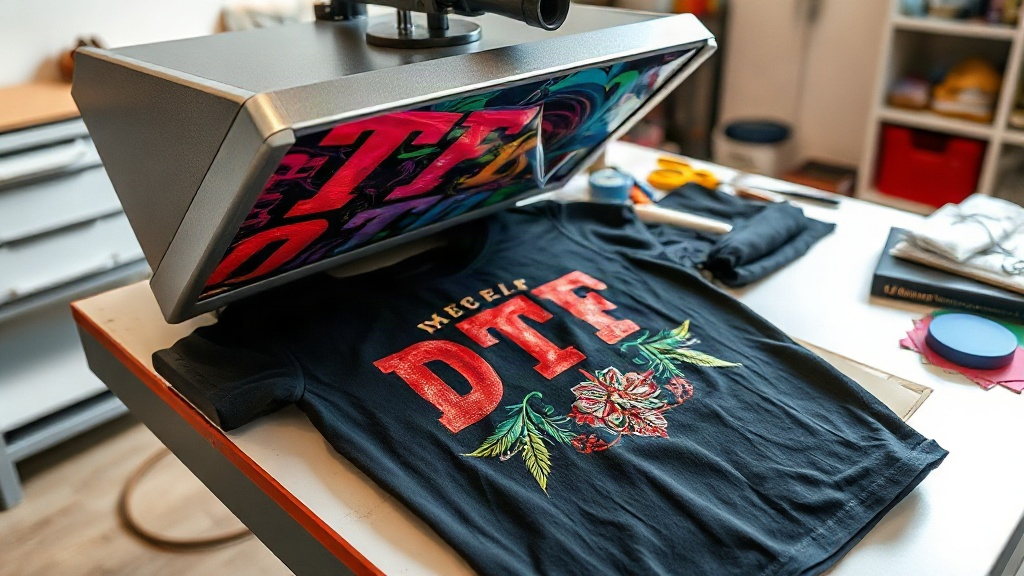
When it comes to creating custom apparel that stands out, DTF transfers have become a game-changer for businesses and hobbyists alike. Unlike traditional methods that require specific fabrics or complex setups, DTF transfers offer a versatile, cost-effective solution that delivers stunning, long-lasting results on nearly any material. Whether you're a small business owner looking to expand your product line or a DIY enthusiast wanting to personalize your wardrobe, understanding DTF transfers can open up a world of creative possibilities.
What Are DTF Transfers?
DTF stands for Direct-to-Film, a printing technology where your design is printed onto a special film, coated with a adhesive powder, and then heat-pressed onto the fabric. This process eliminates the need for cutting or weeding, making it faster and more efficient than vinyl or screen printing for small to medium batches. The result is a soft, stretchable print that bonds permanently to the material.
The DTF Printing Process Step by Step
To appreciate the benefits, it helps to understand how DTF transfers are made. Here's a breakdown:
- Design Preparation: Your artwork is prepared digitally, ensuring it's mirrored and appropriately sized.
- Printing: A specialized DTF printer lays down white ink as a base, followed by CMYK colors, onto a PET film.
- Powder Application: A hot-melt adhesive powder is applied to the wet ink, then excess powder is shaken off.
- Curing: The film passes through a heat source to melt the powder, creating a solid, transferable layer.
- Transfer: The film is placed on the fabric and heat-pressed, fusing the design permanently.
Why Choose DTF Transfers Over Other Methods?
DTF transfers shine in several areas where other printing methods fall short. Here are the key advantages:
- Fabric Versatility: Works on cotton, polyester, blends, and even treated leather and nylon. No need for pre-treatment or special coatings.
- Vibrant Colors: The white ink base allows for bright, opaque colors on dark garments without fading.
- Durability: When applied correctly, DTF prints withstand repeated washing without cracking or peeling.
- Cost-Effective for Short Runs: No minimum order quantities, making it ideal for one-offs or small batches.
- Soft Hand Feel: The prints are thin and flexible, moving with the fabric.
DTF vs. DTG vs. Vinyl: A Quick Comparison
Direct-to-garment (DTG) printing is limited to cotton and often requires pre-treatment, while vinyl requires weeding and layering. DTF transfers combine the best of both: the detail of DTG with the versatility of vinyl, minus the labor-intensive steps. For intricate designs with multiple colors, DTF is often the superior choice.
Applications of DTF Transfers
From custom t-shirts and hoodies to tote bags and caps, DTF transfers are used across various industries. Sports teams love them for vibrant jerseys, while small businesses use them for branded merchandise. Even home crafters use DTF to create personalized gifts. The possibilities are endless.
Choosing the Right DTF Transfer for Your Project
Not all DTF transfers are created equal. Consider these factors:
- Film Quality: Cheaper films may cause ink bleeding or poor adhesion. Look for reputable suppliers.
- Ink and Powder: High-quality inks and adhesives ensure durability and color vibrancy.
- Size and Detail: DTF handles fine details well, but extremely small text may be challenging.
How to Apply DTF Transfers Like a Pro
Proper application is key to a long-lasting print. Follow these steps for best results:
- Preheat the Fabric: Remove moisture and wrinkles with a heat press.
- Position the Transfer: Place the film with the design facing up.
- Press: Apply medium pressure at 325°F (160°C) for 10-15 seconds.
- Peel: Wait for the film to cool completely, then peel it off slowly. (Cold peel is standard for DTF.)
- Post-Press: For extra durability, press again for 5 seconds with a protective sheet.
Common Mistakes to Avoid
Even seasoned crafters make mistakes. Watch out for these:
- Pressing at too high a temperature, which can scorch the fabric or melt the film.
- Peeling while hot, leading to incomplete transfer.
- Using too little pressure, resulting in poor adhesion.
- Not pre-pressing, causing moisture to interfere with bonding.
Caring for DTF-Printed Apparel
To keep your DTF transfers looking new, follow these care instructions:
- Wait 24 hours before washing.
- Turn garments inside out.
- Machine wash cold, gentle cycle.
- Tumble dry low or hang dry.
- Do not iron directly on the print; use a pressing cloth if needed.
Frequently Asked Questions
How long do DTF transfers last?
With proper application and care, DTF transfers can last as long as the garment itself, often 50+ washes without significant fading or cracking.
Can I use DTF transfers on 100% polyester?
Absolutely. DTF transfers adhere well to polyester, nylon, and blends, making them more versatile than DTG or vinyl.
Do I need a special printer to make DTF transfers?
Yes, DTF requires a dedicated DTF printer, DTF ink, and adhesive powder. However, you can also purchase pre-made transfers from suppliers.
What's the difference between DTF and DTG?
DTF transfers are printed on film and then applied, while DTG prints directly onto the garment. DTF works on more fabrics and doesn't require pre-treatment.
Can I stretch DTF-printed fabric?
Yes, DTF prints are elastic and will stretch with the fabric without cracking, thanks to the adhesive powder's flexibility.
Final Thoughts
DTF transfers are transforming the custom apparel industry with their versatility, durability, and ease of use. Whether you're a business looking to offer custom products or an individual wanting to create unique designs, DTF technology provides a reliable and high-quality solution. By understanding the process, benefits, and best practices, you can achieve professional results that impress.