
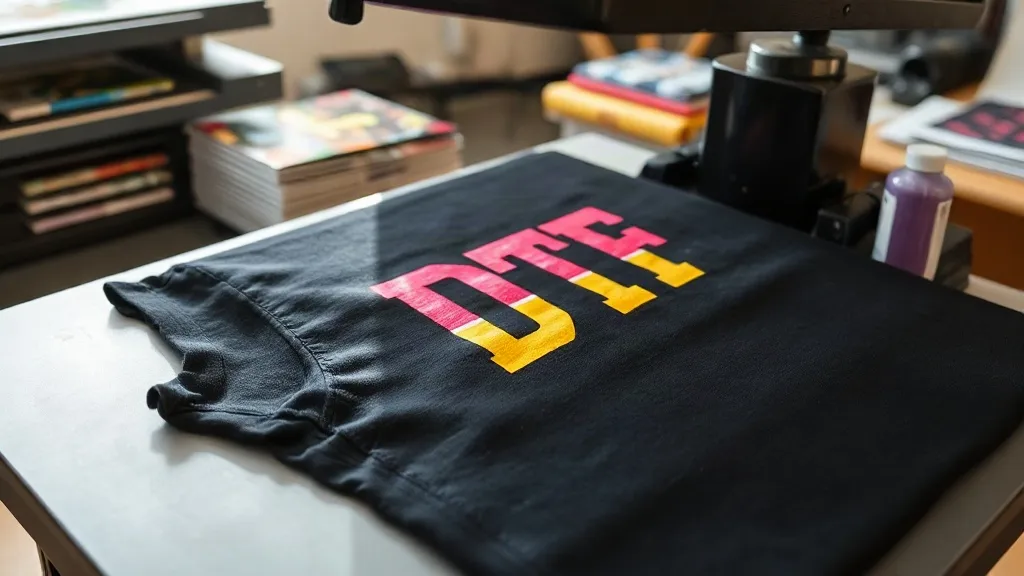
When you first start exploring dtf transfers, the sheer variety of options can feel overwhelming. Should you choose a matte or glossy finish? Which fabrics work best? And how do you ensure your prints survive the wash? These are the questions that separate a good print from a great one. In this guide, we'll walk through the critical factors that influence the final look and lifespan of your DTF prints, so you can make informed decisions and deliver outstanding results every time.
Understanding DTF Transfers: Beyond the Basics
DTF (Direct-to-Film) transfers have revolutionized the custom apparel industry by allowing vibrant, full-color prints on a wide range of fabrics. Unlike DTG or screen printing, DTF doesn't require pre-treatment or specialized equipment. The process involves printing your design onto a special film, applying adhesive powder, and then heat-pressing it onto the garment. This versatility makes DTF a favorite among small shops and hobbyists alike.
But not all DTF transfers are created equal. The quality of the film, the ink, and the adhesive powder all play a role in the final outcome. Understanding these components helps you choose the right supplies and troubleshoot issues when they arise.
Fabric Compatibility: What Works and What Doesn't
One of the biggest advantages of DTF is its ability to adhere to almost any fabric. However, some fabrics yield better results than others. Here's a breakdown:
- Cotton and cotton blends: Excellent adhesion and vibrant colors. The smooth surface allows for fine detail.
- Polyester: Works well, but some dyes may migrate into the transfer over time, causing discoloration. Using a low-temperature adhesive powder can mitigate this.
- Nylon and synthetics: Can be tricky; requires careful temperature control to avoid melting or poor adhesion.
- Canvas and denim: Textured fabrics may require higher pressure to ensure the transfer penetrates the weave.
Always test on a scrap piece of fabric before committing to a full production run. This simple step can save you time and materials.
Choosing the Right Finish: Matte vs. Glossy
The finish of your DTF transfer affects both the look and feel of the print. Matte finishes offer a soft, almost painted-on appearance that blends seamlessly with the fabric. They're ideal for vintage or distressed designs. Glossy finishes, on the other hand, provide a shiny, vibrant look that makes colors pop. However, glossy prints can feel slightly rubbery and may show glare under certain lighting.
Consider the end use: for fashion apparel, matte is often preferred for a premium feel; for promotional items or sportswear, glossy may be more eye-catching. Many suppliers offer both options, so you can experiment to see which suits your style.
How to Achieve a Soft Hand Feel
A common complaint about DTF prints is that they can feel stiff. To minimize this, use a fine adhesive powder and apply less pressure during pressing. Also, choose a transfer film designed for soft-hand applications. Some advanced films use a thinner adhesive layer that cures to a softer finish. Additionally, washing the garment inside out and avoiding high heat in the dryer will help maintain softness over time.
Durability: Making Your Prints Last
Durability is a top concern for anyone using dtf transfers. A properly applied transfer should withstand dozens of washes without cracking, fading, or peeling. The key lies in the application process and post-press care.
Application Best Practices
Follow these steps to ensure maximum durability:
- Pre-press the garment to remove moisture and wrinkles.
- Position the transfer and press at the recommended temperature (usually 300-320°F) for 10-15 seconds.
- Peel the film while hot or cold, depending on the film type.
- Post-press for an additional 5 seconds with a protective sheet to set the adhesive.
Always consult the manufacturer's instructions for specific temperature and time settings, as these can vary between films.
Washing and Care Tips
To extend the life of your DTF prints, advise your customers to:
- Wash inside out in cold water.
- Avoid using fabric softener or bleach.
- Tumble dry on low or hang dry.
- Do not iron directly on the print.
These simple precautions can significantly increase the longevity of the transfer.
Troubleshooting Common DTF Issues
Even experienced users encounter problems. Here are solutions to some common issues:
Transfer Not Adhering
If the transfer peels off, it could be due to insufficient pressure, low temperature, or a dirty fabric surface. Ensure your press is calibrated and the fabric is free of lint and sizing.
Color Fading After Wash
Fading often results from inadequate curing of the adhesive or using low-quality ink. Try increasing the post-press time and ensure the powder is fully melted.
Film Sticking to the Press
This can happen if the transfer is pressed without a protective sheet. Always use a Teflon sheet or parchment paper between the film and the heat platen.
Finding Quality DTF Transfers Near You
If you're looking for dtf transfers near me, you have several options. Local print shops often offer DTF services, but for consistent quality and competitive pricing, online suppliers like dtfstyler.com provide a reliable alternative. They offer a wide range of films, powders, and pre-printed transfers, along with detailed guides and support. When choosing a supplier, look for those who provide clear instructions and stand behind their products.
For those who prefer to produce in-house, investing in a quality DTF printer and supplies from a reputable source is essential. The initial cost may be higher, but the flexibility and control over the final product are unmatched.
Frequently Asked Questions
Can DTF transfers be applied to dark fabrics?
Yes, DTF transfers work exceptionally well on dark fabrics because the white ink layer provides a bright base for the colors. This is one of the key advantages over DTG printing, which often requires a white underbase that can be thick.
How long do DTF transfers last?
With proper application and care, DTF transfers can last as long as the garment itself, often 50+ washes. The key is following the correct pressing parameters and advising customers on proper washing.
Do I need a special printer for DTF?
Yes, DTF requires a printer that uses DTF ink and can print onto film. However, many converted inkjet printers are available, and some companies offer pre-printed transfers if you don't want to invest in a printer.
What is the difference between DTF and DTG?
DTF uses a film transfer, allowing it to work on more fabric types, including polyester and blends, while DTG prints directly onto the garment and is best for 100% cotton. DTF also doesn't require pre-treatment, making it more versatile for small shops.
Can I use DTF transfers on items like bags and hats?
Absolutely. DTF transfers adhere to many surfaces, including canvas bags, caps, and even some plastics, as long as they can withstand the heat press temperature. Always test first.