
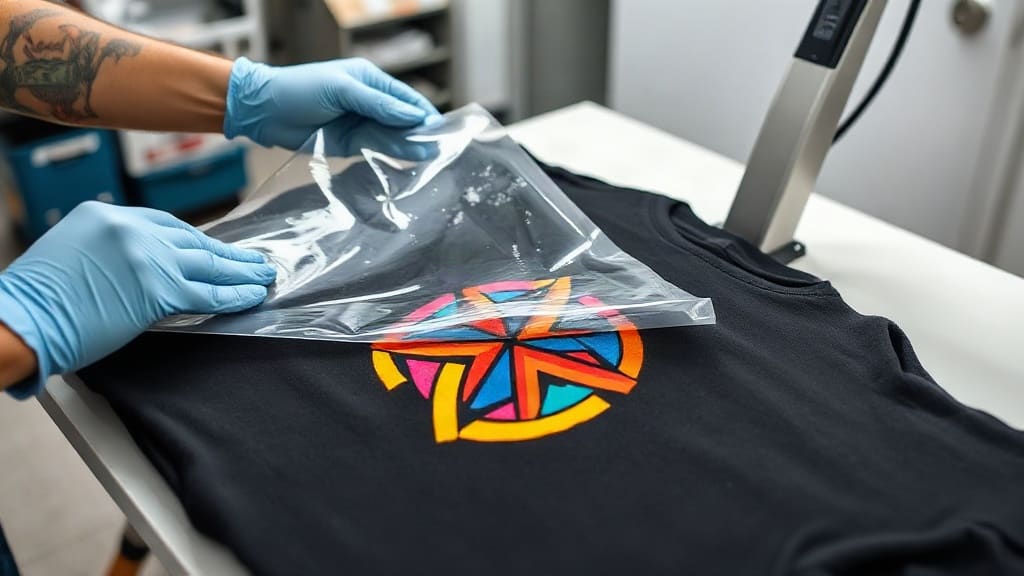
DTF transfers have taken the custom apparel industry by storm, offering a versatile and cost-effective alternative to traditional screen printing and vinyl. Whether you're a small business owner, a hobbyist, or just curious about this innovative printing method, this guide will walk you through everything you need to know, from the basics to advanced tips for achieving professional results.
What Are DTF Transfers?
DTF, or Direct to Film, is a printing method where a design is printed onto a special film using a pigment-based ink, then covered with a hot-melt adhesive powder. Once the powder is cured, the film can be transferred onto almost any fabric using a heat press. This process creates vibrant, durable prints that are soft to the touch.
How DTF Transfers Work
The process begins with printing your design in reverse onto a PET film. After printing, a layer of adhesive powder is applied to the wet ink. The film is then heated to melt the powder, which acts as the glue when the transfer is pressed onto the garment. The result is a print that is both stretchy and durable, able to withstand multiple washes without cracking or fading.
Why Choose DTF Transfers?
DTF has gained popularity for several compelling reasons:
- Versatility: You can apply DTF transfers to cotton, polyester, blends, and even hard surfaces like bags and caps.
- No Weeding: Unlike vinyl, there's no need to weed out excess material, saving time and effort.
- Full Color: DTF prints are vibrant and can include gradients, shadows, and detailed artwork with ease.
- Soft Hand Feel: The prints are flexible and don't have the heavy, plastic-like feel of some other methods.
- Cost-Effective: Ideal for small batches and custom orders, with no setup fees like screen printing.
Materials Needed for DTF Transfers
To get started with DTF, you'll need a few essential materials:
- DTF printer (usually an Epson or similar with a pigment ink system)
- DTF film (PET film with a matte side for printing)
- Hot-melt adhesive powder
- Heat press (or a specialized DTF curing oven)
- Release film or paper (for pressing)
Choosing the Right Printer
While you can convert some desktop printers to DTF, it's recommended to use a printer designed for this purpose. Look for one with white ink capability, as white is essential for printing on dark fabrics. Many users start with an Epson XP-15000 or similar, but you'll need to invest in proper ink and ensure the printer is compatible.
Step-by-Step Guide to Using DTF Transfers
Applying DTF transfers is straightforward once you have your printed film ready. Here are the steps:
- Pre-press your garment for a few seconds to remove moisture and wrinkles.
- Place the DTF film with the printed side up (or down, depending on the transfer type) on the garment.
- Press with a heat press at about 320°F (160°C) for 15-20 seconds with medium to firm pressure.
- Peel the film while it's still hot or cold, depending on the manufacturer's instructions. Hot peel is common for DTF.
- For extra durability, cover the print with a Teflon sheet and press again for 5-10 seconds.
Tips for Perfect Results
- Always test on a sample fabric before pressing your final product.
- Use a heat press with consistent pressure and temperature.
- Make sure the adhesive powder is evenly applied and fully cured.
- For dark garments, ensure your design has a white underbase to prevent colors from showing through.
Common Mistakes to Avoid
Even experienced printers can run into issues. Here are some pitfalls to watch out for:
- Not shaking the adhesive powder properly, leading to uneven application.
- Using too much or too little pressure during the transfer.
- Peeling the film too early or too late, which can cause the design to lift.
- Printing on low-quality film, which can result in poor adhesion.
DTF Transfers vs. Other Methods
When comparing DTF to other heat transfer methods, it's important to consider your specific needs:
- DTF vs. Vinyl: DTF is quicker for multi-color designs and doesn't require weeding, but vinyl is better for single-color cuts.
- DTF vs. Screen Printing: DTF has no setup costs and is ideal for small orders, while screen printing is more economical for large quantities.
- DTF vs. Sublimation: DTF works on cotton, unlike sublimation which only works on polyester. DTF also offers more vibrant colors on dark fabrics.
Applications of DTF Transfers
The versatility of DTF makes it suitable for a wide range of products and businesses:
- Custom t-shirts and apparel
- Sports uniforms and team jerseys
- Workwear and corporate promotional items
- Bags, hats, and accessories
- Personalized gifts and home textiles
Frequently Asked Questions
Can DTF transfers be used on any fabric?
Yes, DTF transfers work well on cotton, polyester, and blends. You can also apply them to nylon and leather, but the durability may vary. It's always best to test on a scrap piece of fabric first.
How long do DTF transfers last?
With proper application and care, DTF prints can last hundreds of washes. They are known for their excellent stretchability and resistance to cracking, making them a durable choice.
Do I need a special printer for DTF?
Yes, you need a printer that can handle pigment ink and white ink. Many people use converted Epson printers, but dedicated DTF printers are available for easier setup and maintenance.
Can I use DTF transfers without a heat press?
A heat press is recommended for the best results, as it provides consistent pressure and temperature. You could use a home iron, but it's difficult to achieve the same quality and durability.
How do I store DTF film?
Keep DTF film in a cool, dry place away from direct sunlight. Ensure the printed side is not scratched and store it flat to avoid curling.
Final Thoughts
Embracing DTF transfers can greatly expand your printing capabilities and open up new opportunities for custom products. With the right equipment and a little practice, you can produce high-quality, professional-looking prints that satisfy your customers and stand out in the market.
Whether you're just starting or looking to upgrade your current printing process, DTF offers an excellent balance of ease, cost, and quality. So why not give it a try? Your next custom order might be simpler and more profitable than you think.