
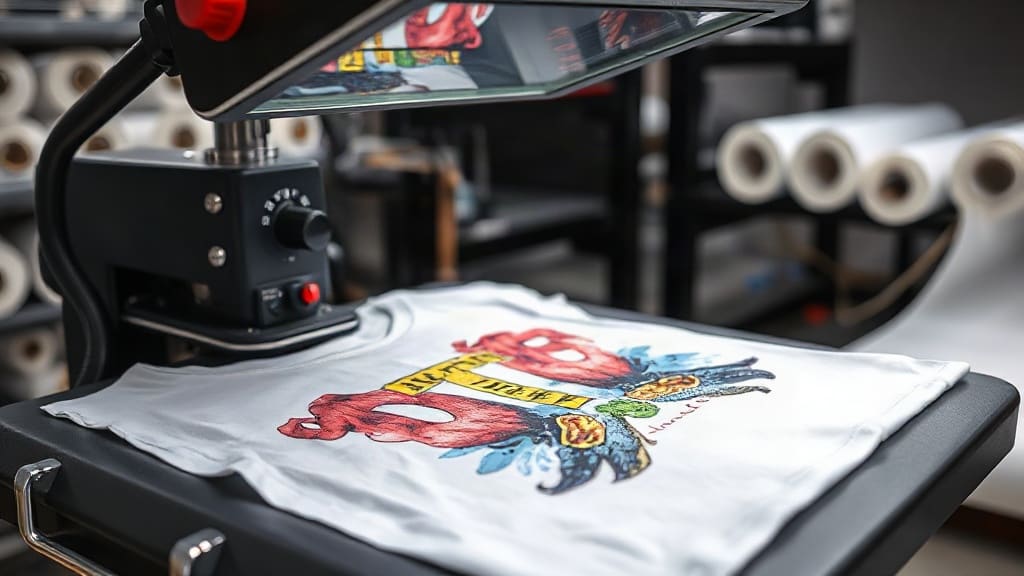
If you're in the custom apparel business, you've likely heard about DTF (Direct to Film) printing. It's a game-changer for creating vibrant, durable transfers that work on a variety of fabrics. But the challenge is finding a reliable source. Searching for “DTF transfers near me” can be overwhelming, especially with so many options. In this guide, I'll share my experience and practical tips to help you choose the best local provider for your needs.
Let me take you back to when I first started using DTF. I was skeptical about the quality compared to screen printing. But after testing samples from several suppliers, I realized that DTF offers incredible detail and softness. The key is finding a provider that uses high-quality materials and equipment. In this article, I'll walk you through what to look for, common mistakes to avoid, and how to build a successful partnership with a local DTF transfer company.
What Are DTF Transfers?
DTF transfers are printed designs on a special film that can be transferred onto fabric using heat and pressure. Unlike traditional heat transfer vinyl (HTV), DTF allows for full-color prints with no weeding or layering. It's perfect for complex designs, gradients, and even photographs. The process involves printing on a PET film, applying adhesive powder, and then curing it. When you're ready to apply, you simply place the film on the garment, apply heat, and peel.
Why Choose DTF Over Other Methods?
I've used screen printing, sublimation, and vinyl. Each has its strengths, but DTF stands out for its versatility. You can print on cotton, polyester, blends, and even tricky materials like nylon. The prints are stretchable and durable, holding up well to repeated washing. Plus, the turn-around time is fast, making it ideal for on-demand orders.
How to Find the Best DTF Transfers Near Me
When I started searching for “DTF transfers near me”, I quickly learned that not all providers are equal. Here are the steps I recommend to anyone looking for a reliable local source.
1. Search Locally and Check Reviews
Start with a simple Google search for “DTF transfers near me”. But don't just pick the first result. Look for local businesses with positive reviews. Check their websites and social media for examples of their work. I always look for clear, high-resolution images of their prints. If they don't showcase their products, it's a red flag.
2. Ask for Samples
The best way to evaluate quality is to order samples. A trustworthy provider will offer sample packs at a reasonable cost. When I requested samples, I tested them on different fabrics, from 100% cotton t-shirts to 50/50 blends. Pay attention to the feel of the print. It should be soft, not plasticky. Also, test washing. I recommend washing your sample a few times to see if the colors fade or crack.
3. Evaluate Their Technology and Materials
Ask about the equipment and materials they use. High-quality DTF transfers require advanced printers, high-grade inks, and quality adhesives. I once got a transfer from a cheap supplier that peeled off after one wash. It was a costly lesson. So, I always inquire about their film, powder, and ink brands. Reputable providers are happy to share this information.
4. Compare Pricing and Turnaround Time
Price is important, but it shouldn't be the only factor. I've seen some providers offer incredibly low prices, but the quality suffers. Look for a balance between cost and quality. Also, ask about their turnaround time. If you're running a business, you need reliable delivery. I prefer local providers because I can sometimes pick up orders in person, saving on shipping time.
What to Look for in a DTF Transfer Provider
To ensure you get the best DTF transfers, here's a checklist to consider:
- Quality of prints: Look for crisp details, vibrant colors, and no white borders.
- Softness: The transfer should feel like part of the fabric, not a sticker.
- Durability: Ask about wash testing. The print should last for many washes without cracking.
- Customer service: They should be responsive and helpful. Good communication is key for custom orders.
- Customization options: Can they handle custom sizes, shapes, or special effects like puff or glitter?
- Minimum order quantities: Some providers have high MOQs. If you're a small business, find one that offers low or no minimums.
Why Local Matters
Choosing a local provider has several advantages. You can visit their facility, see the equipment, and meet the team. This builds trust. Also, shipping costs are lower and faster. I've had situations where I needed rush orders, and being able to drive to the supplier made a huge difference.
Common Mistakes to Avoid When Ordering DTF Transfers
I've made my fair share of mistakes when ordering DTF transfers. Here are some pitfalls to avoid:
1. Not Providing Proper Artwork
Your design needs to be high-resolution (300 DPI) and in the correct color format (CMYK or RGB). If you're unsure, ask your provider for guidelines. I once uploaded a low-res logo, and the print came out blurry. It was frustrating, but I learned to always check the file resolution.
2. Ignoring the Fabric Type
DTF works best on certain fabrics. For example, on high-stretch materials like spandex, you might need a special adhesive. Discuss your fabric type with your provider to ensure they recommend the right transfer.
3. Not Testing First
Always order a sample before placing a bulk order. I can't stress this enough. I've seen businesses lose money because they trusted a provider without testing. A simple sample can save you from a disaster.
How to Use DTF Transfers Effectively
Once you've found your provider, it's essential to apply the transfers correctly. Here are some tips:
1. Use a Heat Press
You'll need a heat press, not a household iron. The pressure and temperature need to be precise. Most DTF transfers require around 300°F (150°C) for 10-15 seconds at medium pressure. But always follow the manufacturer's instructions.
2. Pre-Press Your Garment
Pre-press the shirt for a few seconds to remove moisture and wrinkles. This ensures better adhesion.
3. Peel While Hot or Cold?
Some transfers require hot peeling, others cold. I prefer to wait a few seconds and do a warm peel for a smoother finish. But again, check the guidelines.
4. Post-Press for Durability
After peeling, I always do a quick post-press with a protective sheet. This helps the transfer bond fully and increases washability.
Cost Considerations for DTF Transfers
The cost of DTF transfers varies based on size, quantity, and complexity. Here's a rough breakdown:
- Small transfers (4x4 inches): $1-$3 each in bulk
- Medium (8x10 inches): $3-$6 each
- Large (12x15 inches): $6-$12 each
Prices decrease with higher quantities. But don't sacrifice quality for cost. A cheap transfer that fails is more expensive in the long run.
Building a Relationship with Your DTF Provider
Once you find a good provider, nurture that relationship. Communicate regularly, provide feedback, and order consistently. I've built a strong partnership with my local provider, and they often give me priority on rush orders and better pricing.
Conclusion
Finding the best DTF transfers near me doesn't have to be a daunting task. By following these steps, you can locate a provider that meets your quality and budget needs. Remember to test samples, evaluate their technology, and build a long-term relationship. With the right partner, you can take your custom apparel business to the next level.
Frequently Asked Questions
How long do DTF transfers last?
DTF transfers are highly durable and can last for many washes if applied correctly. On average, they can withstand over 50 wash cycles without significant fading or cracking. To maximize longevity, use quality materials and follow proper application guidelines.
Can DTF transfers be used on dark fabrics?
Yes, DTF transfers are perfect for dark fabrics. Unlike some other methods, DTF includes a white base layer that ensures colors pop on dark materials. This makes it a versatile choice for all types of garments.
What is the minimum order quantity for DTF transfers?
Many providers offer no minimum order quantity, especially for small businesses. However, some may have a minimum of 10-20 pieces. It's best to ask your local provider about their MOQ policies. I've seen providers that sell single transfers for testing purposes.
How do I store DTF transfers?
Store your DTF transfers in a cool, dry place away from direct sunlight. Keep them flat to avoid curling. When stored properly, they can last for months without losing their adhesive properties. I keep mine in a plastic sleeve or box.
Can I use DTF transfers on polyester?
Yes, DTF transfers work on polyester, but you need to be careful with the heat settings. Polyester has a lower melting point, so use a lower temperature and a protective sheet. Some suppliers offer special adhesives for synthetic fabrics.