
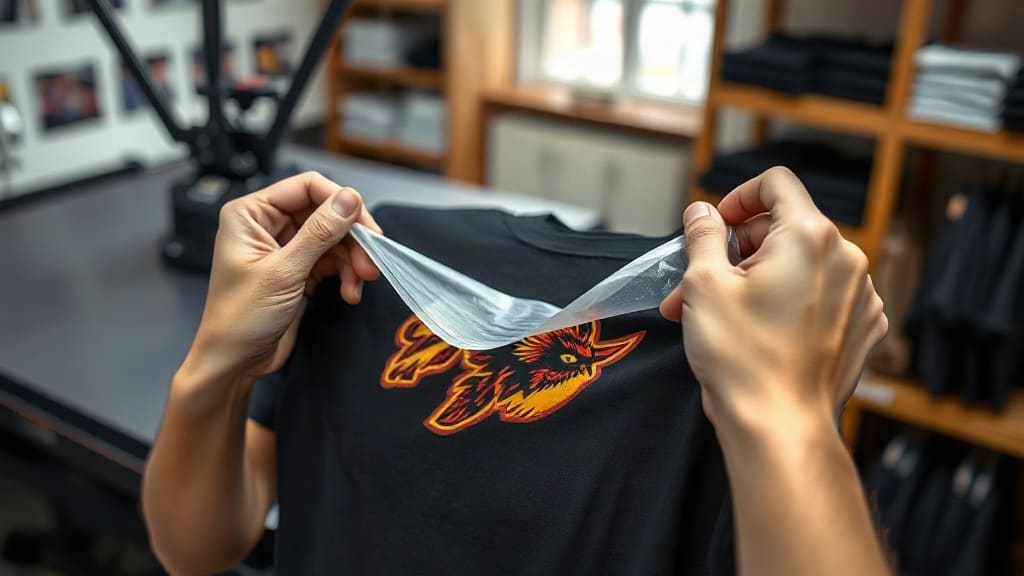
If you've been searching for dtf options to elevate your custom apparel game, you've likely typed "dtf transfers near me" into a search engine more than once. The convenience of a local provider is tempting, but proximity isn't everything. You need transfers that look professional, last through many washes, and feel soft on the fabric. In this guide, I'll share what I've learned from years of ordering and testing dtf transfers from various suppliers, both local and online. By the end, you'll know exactly what to look for and how to avoid common pitfalls.
Understanding DTF Transfers
DTF (Direct to Film) printing has revolutionized the custom apparel industry. Unlike traditional screen printing, DTF allows for full-color, detailed designs without the need for screens or setup fees. The process involves printing your design onto a special film, applying adhesive powder, and then heat-pressing it onto the garment. The result is a vibrant, durable print that works on cotton, polyester, blends, and even tricky materials like nylon.
For small business owners and hobbyists, dtf transfers offer an accessible entry point. You can order a few prints at a time, test designs, and scale up without huge upfront costs. But not all transfers are created equal. The quality of the film, ink, adhesive, and the pressing technique all affect the final outcome.
Why Search for Local Providers?
Searching for "dtf transfers near me" often stems from a desire for speed and lower shipping costs. If you need transfers urgently for an event or a customer order, a local supplier can be a lifesaver. You might also want to see and feel the product before committing, which is impossible with online-only vendors.
However, local doesn't always mean better. I've seen cases where local printers charge a premium for average quality, while online companies offer superior transfers at lower prices. The key is to evaluate each source based on specific criteria, not just location.
Key Factors to Consider When Choosing a DTF Transfer Provider
Before you decide on a provider, whether local or online, consider these crucial aspects:
1. Print Quality and Resolution
The first thing to inspect is the print resolution. A high-quality DTF transfer should have crisp details, vibrant colors, and no banding or pixelation. Ask to see samples or check reviews that include close-up photos. If the provider is local, request a physical sample. Look for smooth gradients and sharp text edges.
2. Film and Ink Quality
The type of film and ink used directly impacts durability and feel. Premium DTF uses high-opacity white ink that doesn't crack or peel. The film should be clear and have a proper coating to hold the adhesive. Some cheap options use film that stretches or warps during pressing, leading to misaligned designs.
3. Adhesive Powder Application
The adhesive powder is what bonds the transfer to the fabric. An even, consistent layer is essential for strong adhesion. Too little powder results in poor washability; too much can make the print stiff and heavy. Reputable providers use automated systems to ensure uniformity.
4. Turnaround Time and Communication
Even if you're not in a rush, a provider who communicates promptly and delivers on time is worth their weight in gold. If you're searching for "dtf transfers near me", you might expect same-day or next-day pickup. But online services often have faster production times due to specialized equipment. Always check their stated turnaround and read reviews about reliability.
5. Pricing and Minimum Orders
Compare prices per transfer, but also consider shipping costs, setup fees, and minimum order quantities. Some local shops have a minimum of 10 or 20 pieces, which might be too many if you're testing a new design. Online providers often offer no minimums and lower per-unit costs, especially for larger orders.
6. Customer Support and After-Sales Service
What happens if a transfer fails? Do they offer replacements? A good provider stands behind their product. Look for policies that cover defective transfers and responsive support channels. This is often where local businesses shine, as you can walk into their store and talk to a human.
Red Flags to Avoid When Choosing a Provider
While searching, watch out for these warning signs:
- Unrealistically low prices: If it seems too good to be true, it probably is. Quality materials cost money.
- No samples or examples: A provider without a portfolio or willingness to send samples is suspect.
- Vague answers to technical questions: They should know their film brand, ink type, and pressing recommendations.
- Poor reviews about durability: Look for patterns of peeling, cracking, or fading.
How to Test DTF Transfers Yourself
Once you've narrowed down potential providers, it's wise to order a few test transfers. Here's a simple testing protocol:
- Choose a design with fine lines, text, and a gradient to assess detail.
- Press the transfer onto a cotton t-shirt following the provider's recommended time, temperature, and pressure.
- Wash the shirt multiple times (at least 5) and observe for peeling, cracking, or color fading.
- Stretch the fabric to see if the print flexes without breaking.
This hands-on test will tell you more than any review.
The Convenience of Online DTF Transfer Services
While your search may have started with "dtf transfers near me", don't overlook the benefits of ordering online. Many online companies specialize solely in DTF and have invested in top-tier equipment. They often provide instant quotes, downloadable templates, and faster production times. Plus, you can compare prices and reviews across multiple vendors easily.
For instance, I once needed a rush order for a client's event. My local shop quoted a week and a high price. I found an online service that delivered in three days and cost 30% less. The quality was equally impressive.
Making the Final Decision
When you ultimately choose a provider, consider a hybrid approach. Use local for urgent needs and last-minute orders, and rely on online for bulk orders and better pricing. That way, you get the best of both worlds.
Remember to always request a sample before committing to a large order. Whether you go local or online, the goal is to find dtf transfers that meet your standards and delight your customers.
Frequently Asked Questions
What does DTF stand for?
DTF stands for Direct to Film. It's a printing method where a design is printed onto a special film, coated with adhesive powder, and then heat-pressed onto fabric. This technique is popular for custom apparel because it allows for high-detail, full-color prints on various materials without the complexity of screen printing.
How long do DTF transfers last on shirts?
With proper application and care, DTF transfers can last for many washes, often over 50. The longevity depends on the quality of the materials, the pressing conditions, and how the garment is washed. Using cold water and turning the shirt inside out can extend the print's life.
Can DTF transfers be used on dark garments?
Yes, DTF is excellent for dark fabrics because it uses a white ink layer that acts as a base. This ensures colors remain vibrant and opaque even on black or navy shirts. This is a major advantage over some other methods.
What is the difference between DTF and screen printing?
Screen printing involves creating a stencil and pushing ink through it onto the fabric. It's cost-effective for large quantities but has a higher setup cost. DTF is digital, so there are no setup fees, making it perfect for small batches and detailed designs. DTF also offers a softer hand feel and works on a wider range of fabrics.
How much do DTF transfers cost?
Prices vary based on size, complexity, quantity, and provider. Small transfers might cost around a dollar or two, while larger ones could be $5 or more. Ordering in bulk usually reduces the per-unit price. Always get quotes from multiple providers to ensure you're getting a fair deal.