
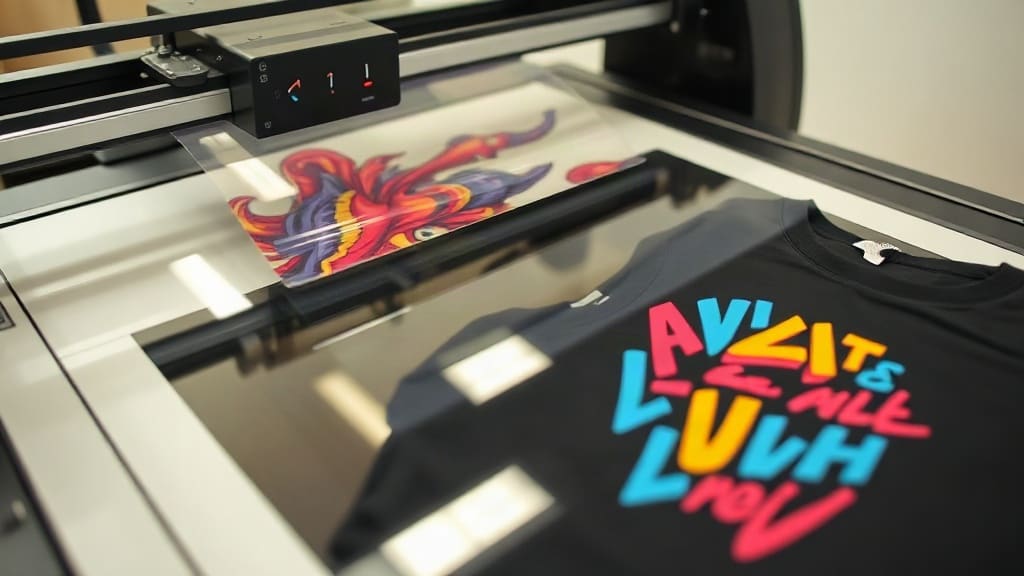
DTF transfers have revolutionized the custom apparel industry, offering a versatile and cost-effective way to create vibrant designs on various fabrics. Whether you are a small business owner, a hobbyist, or a large-scale printer, understanding this technology can open new doors. In this guide, we will dive deep into what DTF transfers are, how they compare to other methods, and how you can use them to produce professional results.
What Are DTF Transfers?
DTF stands for Direct to Film. It is a printing method where a design is printed onto a special PET film using a DTF printer, then coated with adhesive powder, and finally heat-pressed onto a garment. The result is a durable, stretchable, and vibrant print that can be applied to cotton, polyester, blends, and even leather or denim.
Unlike Direct to Garment (DTG) printing, which prints directly on the shirt, DTF uses a transfer film. This allows you to print designs in advance and apply them later, making it ideal for on-demand production and small batches.
DTF vs. DTG vs. Screen Printing: Key Differences
To understand the value of DTF transfers, it helps to compare them with other popular printing methods.
DTF vs. DTG
DTG prints directly onto the fabric using inkjet technology. It works best on 100% cotton and requires a pretreatment for darker fabrics. DTF, on the other hand, can print on any fabric, including polyester, without pretreatment. DTF also allows for printing on demand without needing to store pre-treated garments. Additionally, DTF transfers often have better opacity on dark colors.
DTF vs. Screen Printing
Screen printing involves creating stencils and pushing ink through them onto the fabric. It is excellent for large quantities but has a high setup cost. For small runs, DTF is more economical because there is no screen setup. DTF also allows for intricate details and a wide color palette, whereas screen printing is limited by color separation.
The DTF Transfer Process: Step-by-Step
Creating a DTF transfer involves several steps. Here is a breakdown to help you understand the workflow.
- Design: Create your artwork using graphic software. Ensure it is high resolution (300 DPI) and in CMYK mode.
- Printing: Load PET film into the DTF printer and print the design with special DTF inks (CMYK plus white). The white ink acts as a base for dark garments.
- Powdering: While the ink is still wet, sprinkle hot-melt adhesive powder over the printed film. This powder will bond with the ink and later fuse to the fabric.
- Drying: Shake off excess powder and dry the film in an oven or heat tunnel. This melts the powder particles and sets them into a sticky layer.
- Cutting: Once cool, cut out the individual designs. You can use a cutter or manually with scissors for small runs.
- Application: Place the transfer film onto the garment with the printed side down. Press with a heat press at around 160-170°C for 15-20 seconds with medium pressure.
- Peeling: After pressing, peel off the film while it is still warm (hot peel) or after cooling (cold peel), depending on the film type.
Benefits of Using DTF Transfers
Why have DTF transfers become so popular? Here are some key advantages:
- Versatility: Works on a wide range of fabrics, including cotton, polyester, nylon, and blends.
- No Pretreatment: Unlike DTG, you do not need to pretreat dark fabrics.
- Vibrant Colors: The white ink base ensures colors pop on dark backgrounds.
- Durability: Prints can withstand many washes without cracking or fading.
- Cost-Effective for Small Runs: No screen setup fees, making it perfect for low volume orders.
- On-Demand Production: Print transfers in advance and apply them when needed, saving time.
- Ease of Use: With minimal training, anyone can produce professional results.
Applications of DTF Transfers
You can use DTF transfers for a variety of products, including:
- T-shirts, hoodies, sweatshirts, and other apparel
- Tote bags, caps, and accessories
- Sports uniforms and jerseys
- Personalized gifts and merchandise
- Promotional items for events and businesses
The flexibility makes it a favorite among print-on-demand sellers and custom apparel shops.
Tips for Perfect DTF Transfers
To achieve the best results with DTF transfers, follow these expert tips:
- Use High-Quality Films and Inks: Invest in reputable brands for consistent results.
- Calibrate Your Printer: Regularly check alignment and color output to avoid misprints.
- Shake Powder Evenly: Ensure the adhesive powder covers the design uniformly for proper adhesion.
- Control Temperature and Pressure: Use a heat press with accurate settings. Too low for too long can cause poor adhesion, while too high can damage the film.
- Test on Scrap Fabric: Always test a sample to fine-tune settings before running your batch.
- Peel Correctly: Follow the film manufacturer's instructions for peeling temperature to avoid ripping or dull colors.
- Store Transfers Properly: Keep unused transfers in a cool, dry place away from direct sunlight to maintain their quality.
Common Mistakes to Avoid
Even experienced printers can run into issues. Here are some pitfalls to steer clear of:
- Overlapping Prints: When applying multiple transfers, ensure they do not overlap, as this can cause thick, stiff areas.
- Incorrect Mirroring: Remember to mirror your design before printing, especially if it includes text.
- Poor Powder Adhesion: If the powder is not applied correctly, the transfer may peel off after washing.
- Ignoring Fabric Care: Some fabrics require lower pressing temperatures. Always check the garment's care label.
Conclusion
DTF transfers offer a fantastic solution for custom apparel printing, combining versatility, quality, and cost-effectiveness. Whether you are starting a print-on-demand business or looking to upgrade your current process, DTF technology can meet your needs. With proper technique and quality materials, you can create durable, eye-catching designs that your customers will love. So why not give DTF transfers a try? You might be surprised by the results.
Frequently Asked Questions
Can DTF transfers be used on any fabric?
Yes, one of the main advantages of DTF transfers is their versatility. They work on cotton, polyester, nylon, blends, and even some hard surfaces like mugs and wood. However, for best results, always test on a small area of the fabric first to ensure adhesion and durability.
How many washes can a DTF transfer withstand?
When applied correctly with quality materials, DTF transfers can withstand 30-50 washes or more. The durability depends on factors like washing temperature, detergent, and whether you turn the garment inside out. To extend the life, recommend washing in cold water and avoiding bleach.
Is DTF printing expensive to start?
The initial investment can be moderate. A good DTF printer can cost between $2,000 and $10,000, plus additional equipment like a powder shaker and heat press. However, for small businesses, the return on investment is often quick due to low per-print costs and no screen setup fees.
Do I need to use a special film for DTF?
Yes, you must use PET film specifically designed for DTF printing. This film is coated to absorb the ink and release smoothly during pressing. Using regular paper or film will ruin your prints and potentially damage your printer.
Can I print DTF transfers at home?
Absolutely, with a dedicated DTF printer and a heat press, you can produce transfers in a home setting. Many hobbyists start this way. Just ensure you have proper ventilation for the powder and inks, and follow safety guidelines.