
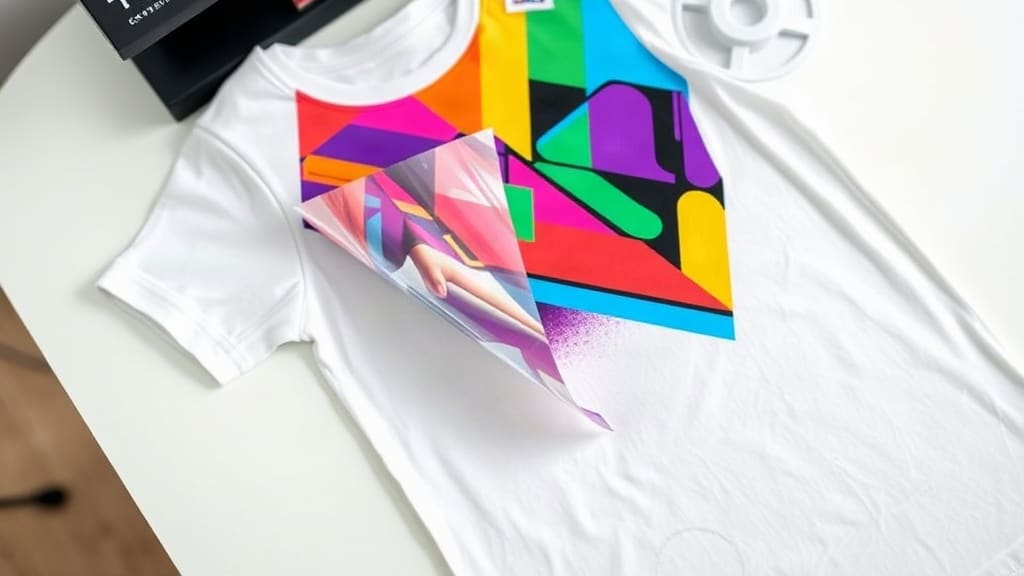
DTF transfers have taken the custom apparel world by storm, offering a versatile and cost-effective way to create vibrant, durable prints. Whether you're a small business owner looking to expand your product line or a hobbyist eager to personalize your wardrobe, understanding this technology is key. In this guide, we'll dive deep into what makes DTF special, how to use it, and common pitfalls to avoid.
What Are DTF Transfers?
DTF stands for Direct to Film. It's a printing method that involves printing your design onto a special PET film, applying adhesive powder, and then heat-pressing that film onto a garment. The result is a soft, stretchy, and highly durable print that works on a wide range of fabrics, including cotton, polyester, blends, and even nylon.
Unlike other methods, DTF transfers don't require pre-treating the fabric, which simplifies the process and reduces costs. They also offer incredible color vibrancy and detail, making them a favorite for complex graphics and photographic images.
How Does DTF Compare to Other Printing Methods?
To truly appreciate DTF, it's helpful to see how it stacks up against its main competitors: screen printing, DTG (Direct to Garment), and vinyl.
DTF vs. Screen Printing
Screen printing is the old workhorse of apparel decoration, especially for large orders. It uses screens to push ink through onto the fabric. While it's economical in bulk, setup costs are high, and it struggles with intricate details and gradients. DTF transfers, on the other hand, have no setup fees, making them perfect for small runs and complex designs.
DTF vs. DTG
DTG is like a regular inkjet printer, but for shirts. It prints directly onto the garment. DTG excels in softness and breathability, but it requires expensive equipment and works best on 100% cotton. DTF transfers are more versatile, work on various fabrics, and can be applied to items that aren't flat, like bags or caps, with the right press.
DTF vs. Vinyl (Heat Transfer Vinyl)
Vinyl is a popular choice for simple, single-color designs. It's cut from sheets and then heat-pressed. While vinyl is durable, it has a plasticky feel and can crack over time. DTF transfers offer a softer hand and can reproduce full-color, detailed artwork without weeding or layering.
Why Choose DTF Transfers?
There are several compelling reasons to opt for DTF transfers over other methods:
- Versatility: Apply to almost any fabric, including performance wear, without pre-treatment.
- Softness: The prints are flexible and don't crack or peel easily, maintaining a soft texture.
- Detail: Achieve sharp lines and vivid colors, even with gradients and small text.
- Cost-Effective for Small Runs: No minimum order quantities; print as few as one shirt at a time.
- Speed: Production is quick, especially when using pre-made transfers.
How to Order DTF Transfers
Ordering DTF transfers is straightforward, but a few tips can ensure you get the best results.
File Preparation
Make sure your design is high-resolution (300 DPI recommended) and has a transparent background if you want no white rectangle around it. Most custom transfer services accept PNG, JPEG, or PDF files.
Choosing the Right Size
Consider the garment type and placement. For adult t-shirts, a common size is 12x12 inches, but you can order smaller or larger. Always measure your garment to ensure the design fits well.
Color Management
Remember that colors on your screen may vary slightly from the final print. To get accurate colors, request a physical proof or use a service that offers color matching. Also, note that white ink is used as a base, which ensures vibrancy on dark fabrics.
Selecting a Reputable Supplier
Not all transfer producers are equal. Look for a supplier that uses quality inks and films, like the ones at dtfstyler.com. Read reviews, ask for samples, and check their turnaround times.
Applying DTF Transfers: Step-by-Step
Even if you order custom transfers, you need to apply them correctly to achieve a durable, professional finish. Here's a simple guide:
- Preheat your heat press: Set it to around 320°F (160°C). The exact temperature may vary, so always check the manufacturer's instructions.
- Pre-press the garment: This removes moisture and wrinkles, ensuring better adhesion.
- Place the transfer: Position the film onto the garment with the printed side down. Make sure it's centered and smooth.
- Press: Apply firm pressure for 10-15 seconds. The time and pressure are crucial; too little and the transfer won't stick, too much and you might damage the film.
- Peel: Let it cool for a few seconds, then peel the film off. Some films are hot peel, others are cold peel. Check the instructions.
- Final press: For added durability, some people do a second press with a Teflon sheet over the design. This helps seal the edges.
Common Mistakes and How to Avoid Them
Even experienced crafters can run into issues. Here are some frequent problems and solutions:
- Peeling too soon: If the transfer isn't fully adhered, it can peel off. Always follow the recommended peel time.
- Washing too early: Wait at least 24 hours before washing to allow the adhesive to cure fully.
- Using fabric softener: It can break down the adhesive over time. Wash inside out in cold water and avoid softeners.
- Incorrect pressure: If you're using a home iron, apply more pressure than you think. A heat press is always more consistent.
Creative Uses for DTF Transfers
The versatility of DTF transfers opens up a world of possibilities beyond t-shirts. You can apply them to:
- Polo shirts and hoodies
- Tote bags, caps, and backpacks
- Sports uniforms and jerseys
- Aprons, pillowcases, and other home textiles
- Leather patches and accessories
Because the transfer can be cut to shape, you can even create patches without stitching. Just press them onto the desired surface, and you have a custom, durable embellishment.
Frequently Asked Questions
How long do DTF transfers last?
With proper application and care, DTF transfers can last for the lifetime of the garment. They resist cracking and fading, even after many washes, as long as you follow the care instructions.
Can DTF transfers be applied to dark fabrics?
Yes, that's one of the main advantages. The white ink layer acts as an opaque base, allowing the colors to pop on black, navy, or any dark color.
Do DTF transfers have a background?
If you provide a design with a transparent background, the transfer will have no visible background, only the design itself. If your design has a white background, it will print as a white rectangle.
Can I use DTF transfers at home with a regular iron?
While you can use a home iron, it's not recommended because it doesn't provide even pressure and heat. For best results, invest in a heat press or use a professional service.
Are DTF transfers eco-friendly?
DTF printing uses water-based inks that are more eco-friendly than some other methods. Additionally, since you can print on demand, there's less waste from overproduction.
Final Thoughts
DTF transfers are a game-changer for anyone looking to create custom apparel with professional quality. They offer flexibility, durability, and excellent value, especially for small batches and detailed designs. Whether you're starting a clothing line or just want to make unique gifts, mastering DTF will expand your creative horizons. And remember, the key to a perfect print lies in quality transfers and proper application. Explore your options, test with samples, and soon you'll be producing prints that impress.