
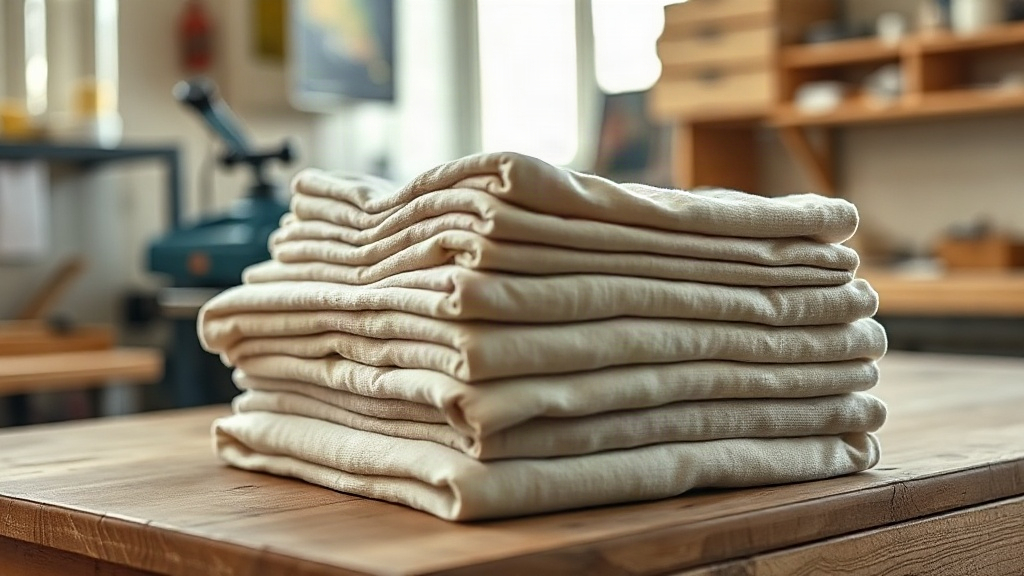
If you have spent any time around streetwear, screen printing shops, or custom apparel sellers, you have probably handled a shaka wear tee without knowing it. The brand shows up in blank apparel catalogs and wholesale racks across the United States, and it has quietly become one of the most requested blanks for heat transfer and DTF decoration. What makes it worth a closer look is not flashy marketing. It is the fabric itself, a dense, heavy cotton that behaves very differently from the thin promotional tees most people are used to.
What Shaka Wear Actually Is
Shaka Wear is a Los Angeles based blank apparel label. The company built its following on heavyweight cotton basics, primarily crew neck tees, long sleeves, and hoodies, sold mostly through wholesale channels. You will not find the same level of retail shelf presence as a big athletic brand, and that is part of its appeal. Printers, small clothing lines, and event organizers treat it as a workhorse blank rather than a fashion statement on its own.
The core product most people mean when they say shaka wear is the heavyweight short sleeve tee. Depending on the style number, these shirts typically land somewhere in the 6 to 7 ounce range, which puts them well above the standard 4.3 to 5.3 ounce tees sold for giveaways. That extra weight changes everything about how the shirt hangs, how it feels on a hot day, and how it takes ink or transfer film.
Why the Weight Matters
A heavier cotton knit is denser. The yarns are thicker and the loops are packed tighter, so light does not pass through the fabric as easily. This is why a 6.5 ounce tee feels more substantial in the hand and tends to look more opaque against the body. For anyone printing a design that covers a large area, opacity is not a minor detail. Thin shirts let the print look washed out because the fabric underneath is visible through the ink or film.
How Shaka Wear Fits Compared to Other Blanks
The fit leans boxy and slightly relaxed. Shoulders sit a bit wider, sleeves are cut a touch longer, and the body does not taper aggressively at the waist. If you are coming from a slim fit fashion tee, a shaka wear shirt will feel roomier. If you are coming from a classic heavyweight workwear tee, it will feel familiar.
This matters for print placement. A boxy body gives you more usable chest area, which is helpful when a design has horizontal elements or a wide logo lockup. On a slimmer tee, the same artwork can wrap awkwardly around the sides. On a boxy cut, it sits flatter and reads more clearly from a distance.
Sizing Notes Worth Knowing
- Shrinkage is real with cotton. Expect some movement after the first hot wash, especially on 100 percent cotton styles.
- If you are between sizes and want a fitted look, consider sizing down.
- For oversized styling, staying true to size usually gives enough room without looking sloppy.
- Long sleeve versions tend to run slightly longer in the body than the short sleeve counterparts.
Pairing Shaka Wear With DTF Transfers
DTF, or direct to film, has become the go to method for small shops that want full color prints without the setup cost of screen printing. A design is printed onto a special film, coated with adhesive powder, then heat pressed onto the garment. The process works on cotton, blends, and even some synthetics, which makes it flexible for a brand that carries multiple fabric types.
Heavyweight cotton is a good match for DTF for a few practical reasons. The surface is stable, so the transfer does not shift or stretch during pressing. The fabric can take the heat without scorching as easily as a thin synthetic. And the dense weave gives the adhesive something to grip, which helps with wash durability.
Pressing Settings That Actually Work
Exact settings vary by press and film brand, so treat these as a starting point and test on a scrap shirt first.
- Pre press the shirt for a few seconds to remove moisture and wrinkles.
- Press at roughly 300 to 320 degrees Fahrenheit with medium to firm pressure.
- Hold for 10 to 15 seconds depending on film instructions.
- Let the transfer cool before peeling, unless the film is specified as hot peel.
- Do a second press with a cover sheet for a few seconds to lock the edges.
Skipping the pre press is one of the most common reasons a transfer peels early. Moisture trapped in cotton turns to steam under the heat and pushes against the adhesive before it has fully bonded.
Washing and Long Term Wear
A DTF print on a heavyweight cotton tee can last a long time if it is washed sensibly. Turn the shirt inside out, use cold water, and avoid high heat in the dryer. The two enemies of any heat applied print are abrasion and prolonged heat, so a gentle cycle and low dryer setting will extend the life of the design considerably.
The shirt itself also holds up well over repeated washes. Heavyweight cotton tends to soften rather than thin out, so a shaka wear tee that feels stiff out of the bag often becomes more comfortable after a few cycles. That softening is gradual and rarely comes with the pilling you see on lower quality knits.
Who Should Consider This Brand
Small clothing brands launching a first drop benefit from a blank that already feels premium without a premium price tag. Print shops that deal with customers who complain about thin shirts get a straightforward upgrade path. Event and team apparel buyers who want something that survives more than one season also fit the profile.
It is less ideal for anyone who needs an ultra lightweight performance shirt or a very slim, fashion forward silhouette. Those are different product categories, and no single blank covers all of them.
Common Questions About Shaka Wear
Is shaka wear true to size?
For most people, yes, with a relaxed feel. The cut is boxy rather than slim, so if you normally wear a medium in a fitted tee and want a similar look, a small may work better. Always check the specific style measurements because the brand carries several fits.
Does shaka wear shrink after washing?
Cotton styles can shrink modestly, particularly in length. Washing cold and drying on low reduces the effect. If you are ordering for a group and want to be safe, sizing up on all cotton options is a reasonable approach.
Can you DTF print on shaka wear hoodies?
Yes, provided the fabric is mostly cotton or a cotton poly blend. Heavier fleece needs a slightly longer press time because the material absorbs heat more slowly. Pre pressing the hoodie before applying the transfer is especially important on thick fleece.
Is shaka wear good for screen printing too?
It is a popular choice for screen printing as well. The tight, heavy knit holds plastisol ink cleanly and resists the ink bleeding into surrounding fibers, which keeps edges sharp on detailed artwork.
Where do most people buy shaka wear blanks?
Wholesale distributors and blank apparel suppliers are the usual route, since the brand is not widely stocked in standard retail stores. Many online blank sellers carry the core tee and hoodie styles with size and color breakdowns listed per style number.