
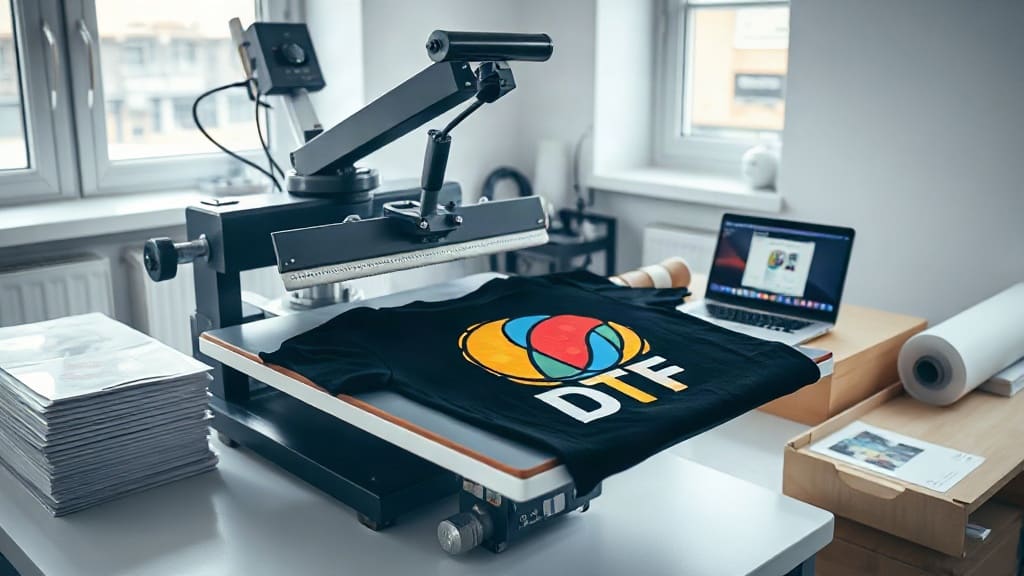
If you're in the custom apparel business or just love making personalized shirts, chances are you've heard about DTF. Direct-to-film printing has revolutionized the way we create vibrant, durable transfers. But when you type "dtf transfers near me" into a search engine, you might feel overwhelmed by the options. In this guide, I'll share what I've learned from working with various providers, so you can find a local partner that delivers quality without the headaches.
Why Local DTF Transfers Matter
Working with a nearby DTF transfer service can make a huge difference, especially if you need quick turnarounds or want to inspect the product before committing. Local providers often offer faster shipping, easier communication, and the ability to build a personal relationship. But proximity isn't everything; you still need to ensure they meet your standards.
What to Look for in a DTF Transfer Provider
Before you settle on a provider, consider these key factors. They'll help you separate the pros from the amateurs.
Print Quality and Materials
The quality of DTF transfers depends heavily on the printer, inks, and adhesive powder used. A good provider will use high-quality CMYK plus white ink, and the powder should be evenly applied. Ask to see samples or a physical proof. Look for vibrant colors, sharp details, and a soft hand feel after pressing. If the transfer feels plasticky or cracks easily, move on.
Turnaround Time
When you search for "dtf transfers near me," you probably need them quickly. Inquire about their standard turnaround and whether they offer rush orders. Most local shops can deliver within 2-3 business days, but some might take longer if they're swamped. Always confirm their current workload before placing a large order.
Pricing Structure
Price is always a factor, but don't just go for the cheapest option. Some providers charge per square foot, while others charge per transfer. Understand what's included: file setup, color matching, and shipping. Hidden fees can add up, so ask for a detailed quote. A slightly higher price is often worth it for consistent quality.
Minimum Order Quantities
If you're a small business or hobbyist, you might not need 100 transfers at once. Check if the provider offers low minimums, like 10 or 20 pieces. Many local shops are flexible, but some have high MOQs to keep costs down. Clarify this upfront to avoid surprises.
How to Search for Providers Effectively
A simple Google search for "dtf transfers near me" will yield many results, but not all are trustworthy. Use these strategies to narrow down your options.
Check Online Reviews and Social Media
Look for providers with a strong online presence. Read reviews on Google, Yelp, or Facebook. Pay attention to comments about print quality, customer service, and delivery times. Also, check their social media profiles to see real photos of their work. If they post frequently, they're likely active and proud of their output.
Ask for References
A reputable provider won't hesitate to share contact information of past clients. Reach out to those references and ask about their experience. This gave me confidence when I first started outsourcing my transfers. Hearing about someone else's positive experience can be reassuring.
Visit the Facility if Possible
If the provider is truly local, ask if you can visit their workshop. Seeing the equipment and the production process in person can tell you a lot. You'll notice if the workspace is clean, if the printers are well-maintained, and if the staff is knowledgeable. This is especially important for large orders.
Comparing DTF Transfer Quality: What to Test
Even if a provider looks good on paper, you need to test their product. Here's a simple checklist I use when evaluating a new provider.
- Washability: Press a transfer onto a shirt and wash it multiple times. Does it fade, crack, or peel? A quality transfer should withstand at least 30 washes.
- Stretchability: DTF is known for its elasticity. Stretch the printed area after washing. If it cracks, the adhesive or ink isn't flexible enough.
- Color accuracy: Compare the printed colors to your digital design. Flesh tones and gradients are particularly challenging, so test those if possible.
- Softness: Run your hand over the print. It should feel like part of the fabric, not a stiff sticker.
Understanding the DTF Process
Knowing how DTF transfers are made helps you ask the right questions. The process involves printing your design onto a special PET film, applying adhesive powder, and then curing it. When you receive the transfer, you simply press it onto your garment using heat and pressure. This is why DTF is popular: it works on many fabrics, including cotton, polyester, and blends, and it doesn't require weeding (unlike vinyl).
Common Mistakes to Avoid
From my experience, both beginners and seasoned pros make these errors when ordering transfers. Avoid them to save time and money.
Ignoring File Requirements
Most providers require high-resolution files (300 DPI) in PNG or PSD format with transparent backgrounds. If you send a low-res JPEG, the print will look blurry. Always ask for their file specs and follow them carefully.
Not Requesting a Proof
Always ask for a digital proof before the provider prints. This ensures colors and layout are correct. Some providers skip this step if you're not explicit, but it's crucial, especially for complex designs.
Forgetting to Resize
Your design might look great on your screen, but if it's too small, the details will be lost. DTF can handle intricate designs, but tiny text (under 1/4 inch) may not be legible. Check your design at actual size before sending it off.
Building a Long-Term Relationship
Once you find a reliable DTF provider, treat them as a partner. Communicate clearly, pay on time, and give constructive feedback. I've found that loyal customers get better prices and priority service. Over time, they'll learn your preferences and anticipate your needs, making the whole process smoother.
Frequently Asked Questions
How long do DTF transfers last?
Quality DTF transfers can last for 30-50 washes or more, depending on the fabric, care instructions, and pressing conditions. To extend their life, wash garments inside out in cold water and avoid using chlorine bleach. Always follow the provider's care recommendations.
Can I use DTF transfers on dark shirts?
Yes, that's one of the main advantages of DTF. The white ink layer acts as an underbase, so colors pop on black, navy, or other dark fabrics. Just ensure the provider uses a high-opacity white ink for the best results.
What is the difference between DTF and screen printing?
Screen printing is cost-effective for large orders with simple designs, but it requires separate screens for each color. DTF is more versatile for small batches, full-color designs, and on-demand printing. It also has a softer hand feel compared to traditional plastisol prints.
How much does a DTF transfer cost?
Pricing varies widely based on size, quantity, and provider. Generally, a standard 8x10 inch transfer costs between $3 and $7. Larger orders reduce the per-piece cost. Local providers might have slightly higher rates due to overhead, but you save on shipping and wait times.
Do I need special equipment to apply DTF transfers?
You'll need a heat press that reaches at least 300°F (150°C) and can apply even pressure. Some people use a home iron, but it's not recommended because it doesn't distribute heat evenly. A budget-friendly heat press can be purchased for around $200, which is a worthwhile investment if you plan to do this regularly.
Finding the right DTF transfers near me doesn't have to be a gamble. By focusing on quality, communication, and testing, you'll soon have a local source that delivers exceptional results. Start your search today and elevate your custom apparel game.